
Introduction
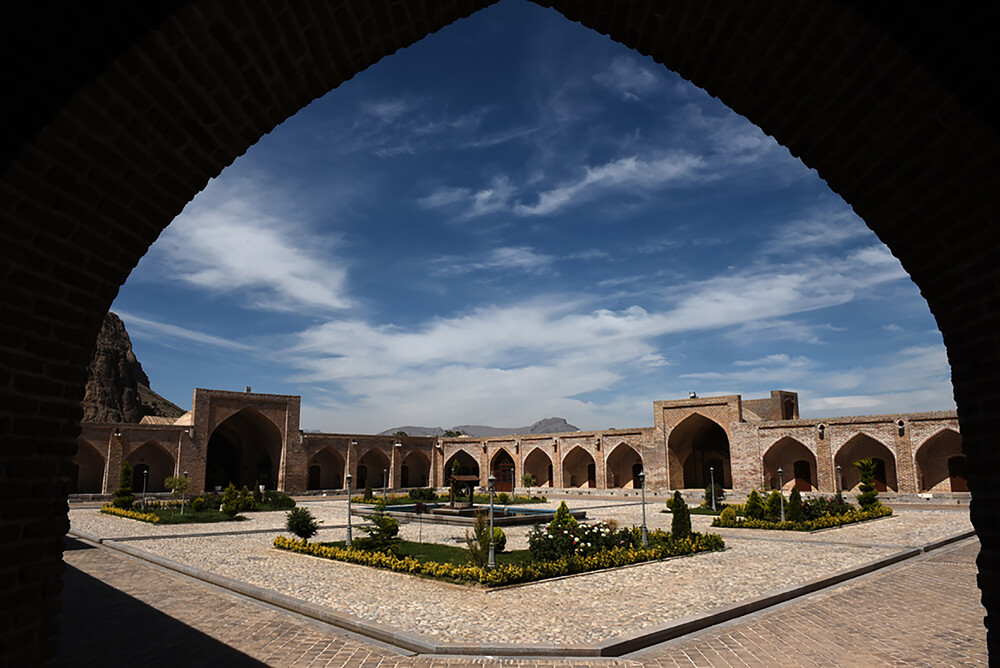
A Persian caravanserai is a hotel-like facility used by caravans and merchants. A Persian caravanserai is usually a rectangular building with a court yard. It is surrounded by stables, storerooms, lodgings, and a well in the courtyard. The Persian caravanserai were established to offer the needed services to travelers. These caravanserai were the modern and evolved version of Achaemenid staging posts. The revenues from urban caravanserai usually covered the expenses of a madrasah, a religious school, or a mosque.
Etymologically, “caravanserai” is a compound of the Persian word “kārvān,” meaning a group of travelers or caravan, and “sara,” house or an enclosed building. These buildings were a day’s journey apart from each other. On average, each caravanserai was 25 km apart from another. Geographical conditions and security concerns were a major factor in the distance between each caravanserai.
These buildings were not used just as a place to rest. Merchants and caravans could trade and share ideas, beliefs, culture, and news too. Caravanserais stretched from Asia to North Africa and southeastern Europe through the Silk Road, which acted as the backbone of trade. As the trading flourished due to the Silk Road, more and more caravanserais were built.
Besides the Silk Road, it was a common feature of the Achaemenid Royal Roads, which were built in 500 BC. This ancient road covered 2500 km from Lydia to Susa.
During the Saffavid dynasty, under Abbas I, many caravanserais were built. The bazzar of Isfahan, the capital of Saffavids, stretched for kilometers that led to many caravanserais. The most spectacular of them, early 18th century, was surrounded by 100 rooms. It was during the 20th century that this caravanserai was transformed into a luxury hotel.
Persian Caravanserai Architecture
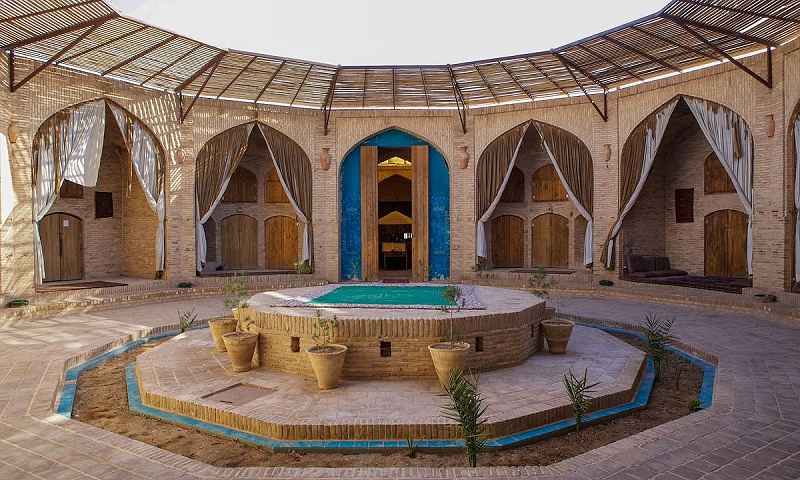
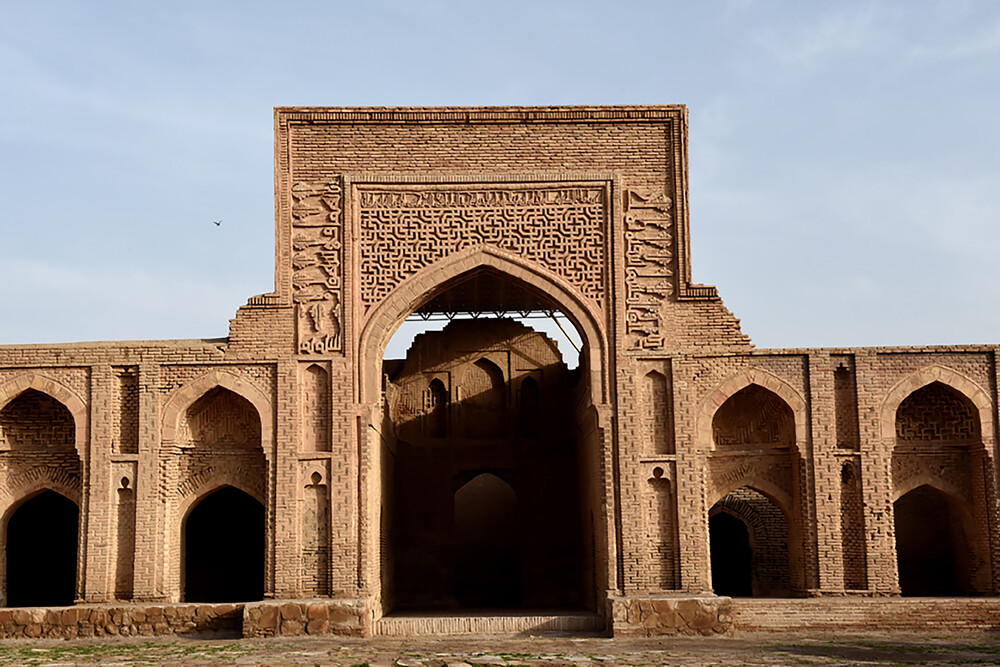
Caravanserais have an important element of Persian architecture. Caravanserais were created as a necessity for travel and trade. A caravanserai is usually a rectangular building with a courtyard that is open to the sky. Inside, it has rooms for merchants and their servants. Besides these, there were separate stables for different animals to rest. Depending on the location of the caravanserai, its size alongside the security could differ. If it were close to the border, it would have more security.
A water fountain or well would be in the center of the courtyard and a place used as a mosque, as well. Some of these caravanserais had a bath too.
Caravanserai routes in Iran
Iran has been a connecting country between the East and the West. The rulers and people took advantage of this opportunity and invested in it. During the Achaemenid dynasty and the construction of the Royal Roads, which stretched from Lydia to Susa and from Susa to Persepolis, such buildings were used. These buildings that were called chapar khanehs were used by messengers to change their horses and rest.
The Silk Road, alongside the caravanserais, played a major role. It was this road that connected different countries to each other through trading. In the caravanserais, people with different cultures, religions, and languages met and exchanged ideas alongside influencing each other.
Conclusion
The caravanserais were the inns and hotels of the ancient times that helped shape the culture and understanding of people that had different beliefs and ideas. These places brought people closer to each other. The Persian caravanserais were registered under UNESCO World Heritage in 2023, proving the significance of these buildings. It shows the importance of these inns throughout human history. Some of them have been transformed into a fancy hotel, and some others went for a more traditional style where you can feel what it was like when caravans were staying in the caravanserai. It’s a great and unique experience to try one of these caravanserais during a tour in Iran.
References
- Blair, Sheila S., & Bloom, Jonathan M. The Art and Architecture of Islam 1250–1800. Yale University Press, 1994.
- Hillenbrand, Robert. Islamic Architecture: Form, Function and Meaning. Columbia University Press, 1994.
- UNESCO World Heritage – The Persian Caravanserai
- Curl, James Stevens & Wilson, Susan. The Oxford Dictionary of Architecture. Oxford University Press. (Entries on caravanserais and Islamic roadside architecture.)
- Kiani, Mohammad-Yousef. Iranian Caravanserais with Particular Reference to the Safavid Period. Tokyo: Institute for the Study of Languages and Cultures of Asia and Africa, Tokyo University of Foreign Studies, 1978.