
Introduction
One of the unique social customs in Iran is Taarof. Understanding Taarof can help you through everyday interactions, especially when someone offers you a gift, service, or food.
What is Taarof?
Taarof is a traditional form of politeness. Instead of stating their intentions directly, people may use polite expressions or make offers that are not necessarily meant to be taken literally.
For example, when you are in a shop and ask about the price, the owner may say “ghabel nadare”, meaning don’t mention it. Another example is a host may encourage you to eat more, or someone may insist that you take the better seat.
For visitors, the important thing is to recognize when someone may be being polite rather than making a literal offer.
How does Taarof work?
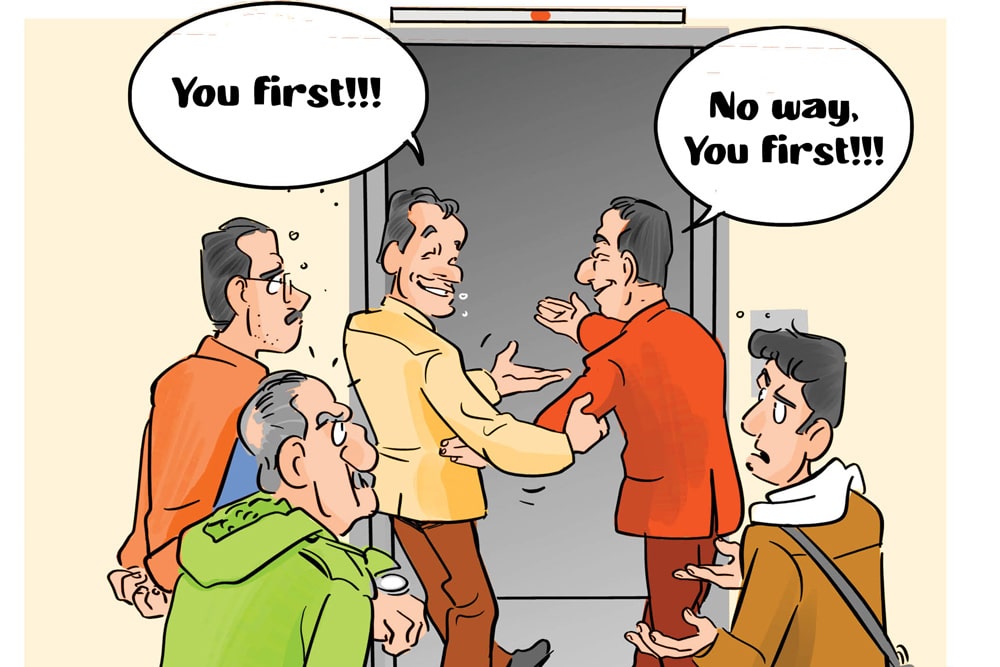
A shopkeeper might politely say “it’s a gift” after you ask the price.
A taxi drivers initially not accepting payment, or a new friend offers to help you if you need anything.
In some situations, it might not be a literal offer but be a part of polite exchange. If you are not sure which one it is, refuse it once and see if the person insists.
Should Tourists Follow Taarof?
Most Iranians understand that a foreign visitor may not be familiar with all the unwritten social rules like Taarof. They don’t expect a foreigner to follow every single social nuance. Being polite and respecting the local culture is usually enough.
If you’re not sure whether the offer is genuine, politely respond and see the reaction of the other person.
Tips for travelers
Here are a few easy guidelines:
- Offer payment more than once. If a taxi driver or shopkeeper initially refuses your money, politely offer again. If they continue to refuse, ask whether they really mean it. If they do, accept their answer.
- Accept the hospitality. Iranian hosts often insist that guests eat more or stay longer. It’s perfectly acceptable to decline politely if you’ve had enough.
- Don’t feel pressured. You are never expected to accept every invitation or offer.
- Be patient. Sometimes an offer may be accepted only after a few polite exchanges.
Taarof in Restaurants and Shops
You are more likely to encounter Taarof in personal interactions, such as with a taxi driver, shopkeeper, host, or acquaintance, than in businesses with fixed prices.
You might hear phrases like:
- “Ghabel Nadare (Don’t mention it – It’s nothing)”
- Mehmoon-e mani (You are my guest)”
If you are not sure if the offer is genuine or not, politely offer to pay again instead of assuming that the service is free.
Is Taarof fake?
Not at all. Taarof is a genuine part of Iranian social etiquette, although it can sometimes be difficult for visitors to tell when an offer is literal and when it is simply polite.
The way Taarof is practiced can vary between generations, social groups, and settings. It may be less noticeable in some modern urban interactions, but it remains an important part of Iranian social etiquette.
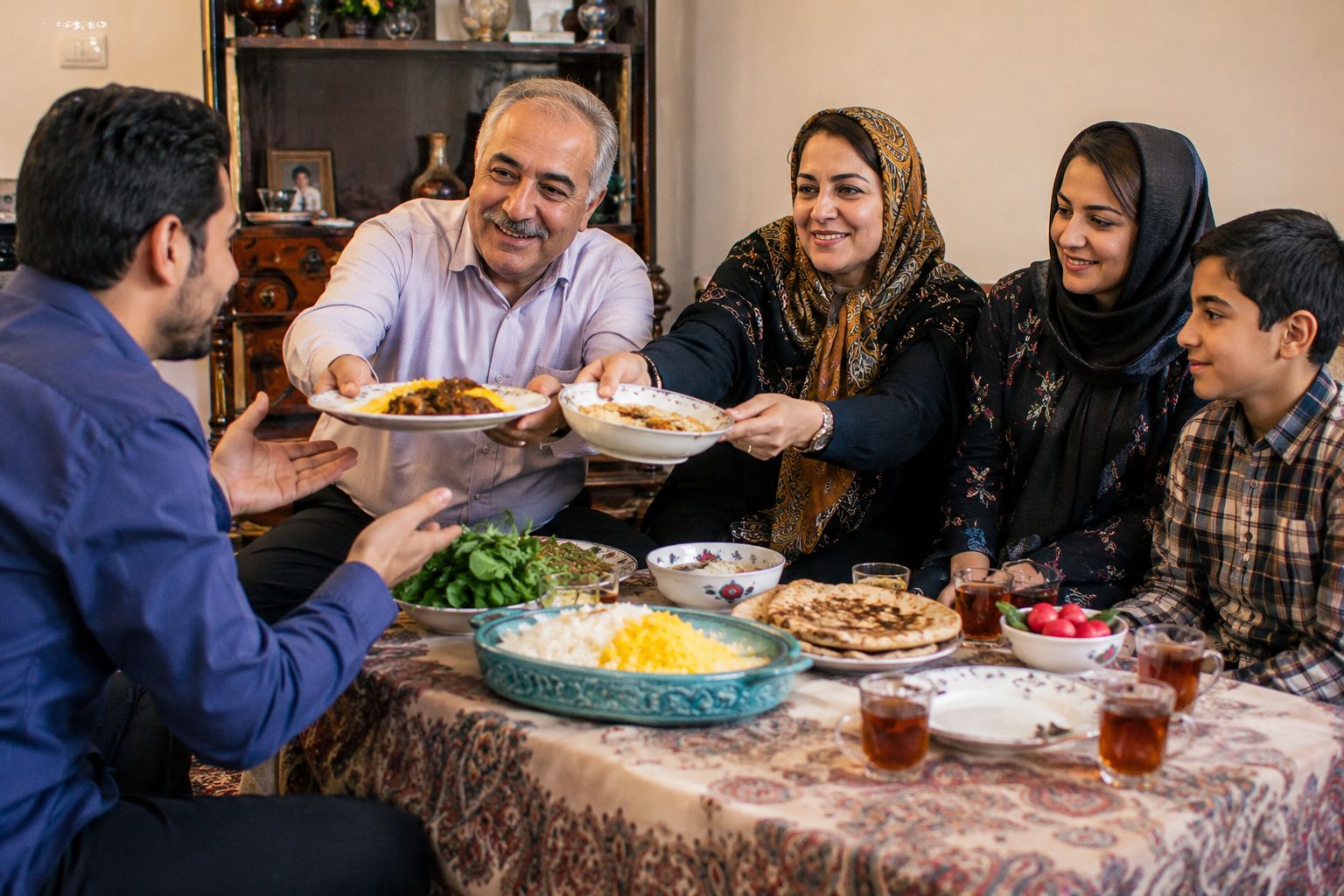
Taarof can be especially noticeable when you are invited into an Iranian home. The host might refill your cup of tea without asking, offer you the best seat, insist that you stay longer, or encourage you to eat more.
FAQ
Is taarof only used with foreigners?
No. Iranians use taarof with family, friends, colleagues, and strangers alike. Foreign visitors simply notice it more because it is different from what they may be used to.
What if I accidentally misunderstand Taarof?
Don’t worry. Most people will understand if you don’t recognize Taarof immediately, especially if you explain that you are unfamiliar with the custom. A polite smile and friendly attitude matter far more than getting every social interaction exactly right.
Do I have to practice taarof?
No. Visitors are not expected to know all the unwritten rules. Being respectful is all that’s needed.
Conclusion
Once you understand the basics of Taarof, you know it’s about appreciating the warmth and hospitality that make traveling in Iran such a memorable experience. You don’t need to master Taarof before visiting Iran. Just be aware that some offers are part of polite social interaction, and when you’re unsure, ask or politely offer again.