
Introduction
The Achaemenid Empire (c. 550–330 BC) was the first Persian empire. It is one of the greatest empires in world history. Founded by Cyrus the Great, it united the ancient Near East under a single administration and ruled for more than two centuries until its conquest by Alexander the Great in 330 BC.
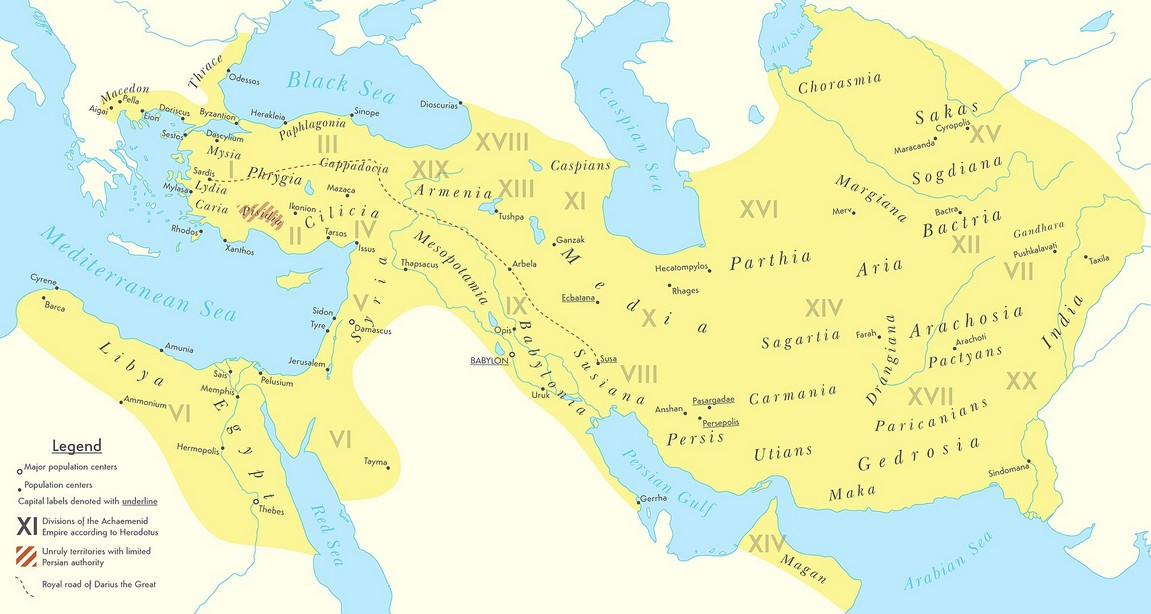
At its height the empire stretched from the Balkans and Egypt from the West to the Indus Valley (modern Pakistan/India) in the East. The population of the empire was 40-45% of the world population.
The Achaemenid Empire was the first true world empire, creating the largest and most diverse empire the ancient world had yet seen. Although earlier states such as the Akkadian Empire were the first empires, the Achaemenids were the first to unite vast territories across three continents under a sophisticated imperial system.
Origins
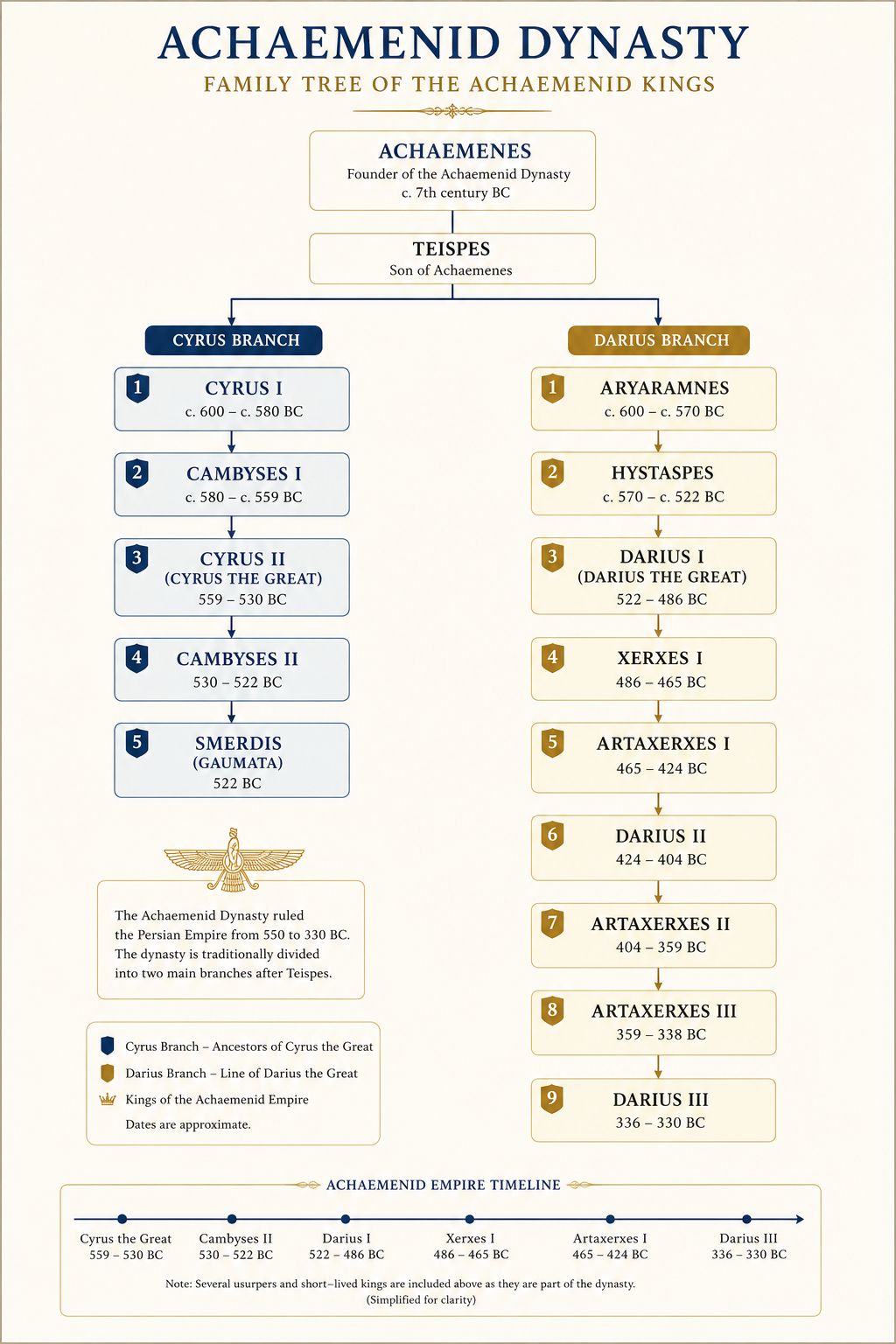
The dynasty’s name is taken from Achaemenes, the ancestor of the royal family. Achaemenes was the legendary founder of the Achaemenid dynasty, the royal family that produced Cyrus the Great and Darius the Great. Although little is known about his life, his name became the foundation of the first Persian world empire.
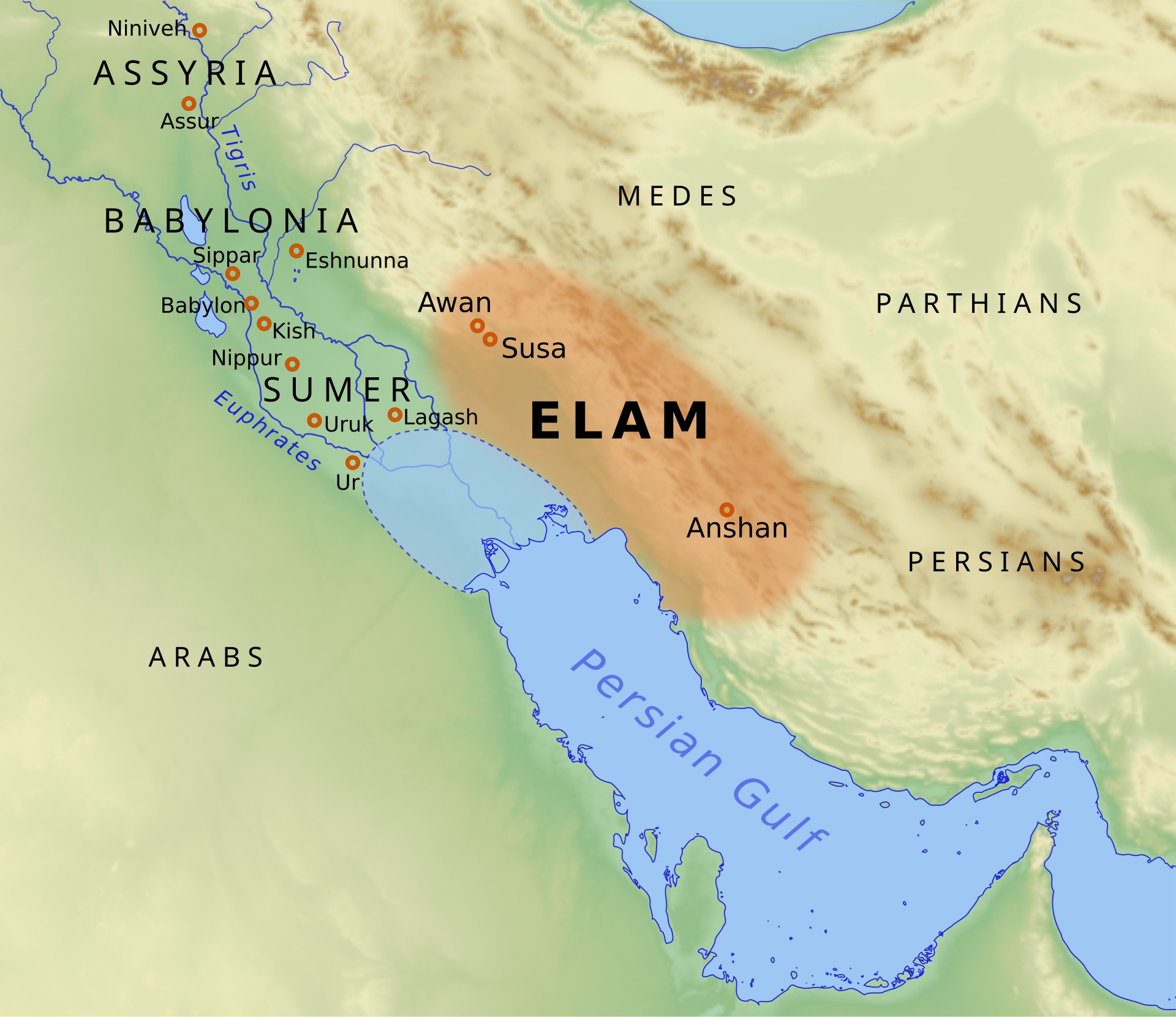
The Achaemenids originally ruled over a small kingdom in Anshan, in southwestern Iran.
Rise of the Empire
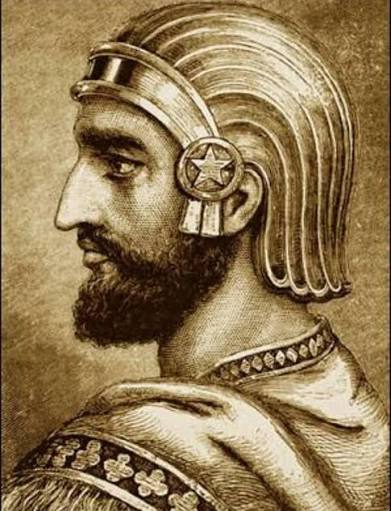
Cyrus the Great (c. 559–530 BC)
Cyrus the Great was the founder of the Achaemenid Empire. He transformed this small kingdom into a vast empire by conquering:
- The Median Empire (550 BC)
- Lydia in Anatolia (547–546 BC)
- Babylon (539 BC)
Unlike other rulers of his time, Cyrus the Great had a high tolerance for new cultures. He respected customs, religions, and administrative systems of the lands he conquered. This policy gained the respect of the conquered nations and helped secure the loyalty of these nations. After conquering Babylon, he freed the Jews who were in captivity.
This policy was taken up by all Achaemenid emperors after Cyrus the Great.
Cambyses II (530–522 BC)
The empire was expanded further by conquering Ancient Egypt in 525 BC by Cambyses II, Cyrus’s son. This led to the Achaemenids to become the 27th dynasty of Egypt. Besides Egypt, he conquered Libya and the Greek cities of Cyrene (Kyrene) and Barca (Barke).
On his way back from Egypt, he died. His death led to a short crisis regarding the succession.
Darius I (522–486 BC)
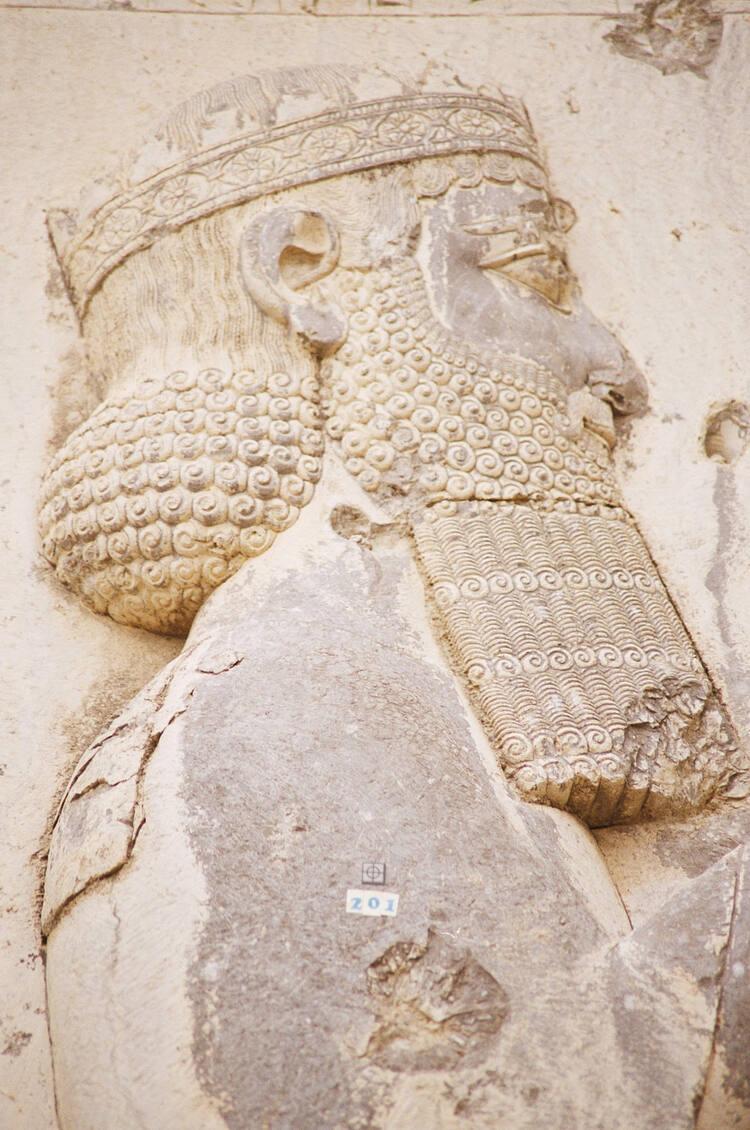
He is regarded as the greatest Achaemenid ruler. He reorganized the empire after the succession crisis and carried out major reforms:
- Divided the empire into approximately 20 satrapies (provinces).
- Standardized taxation.
- Introduced the gold Daric coin.
- Introduced the Silver Siglos (Shekel) coin.
- Expanded the Royal Road from Susa to Sardis.
- Constructed the monumental palace complex at Persepolis.
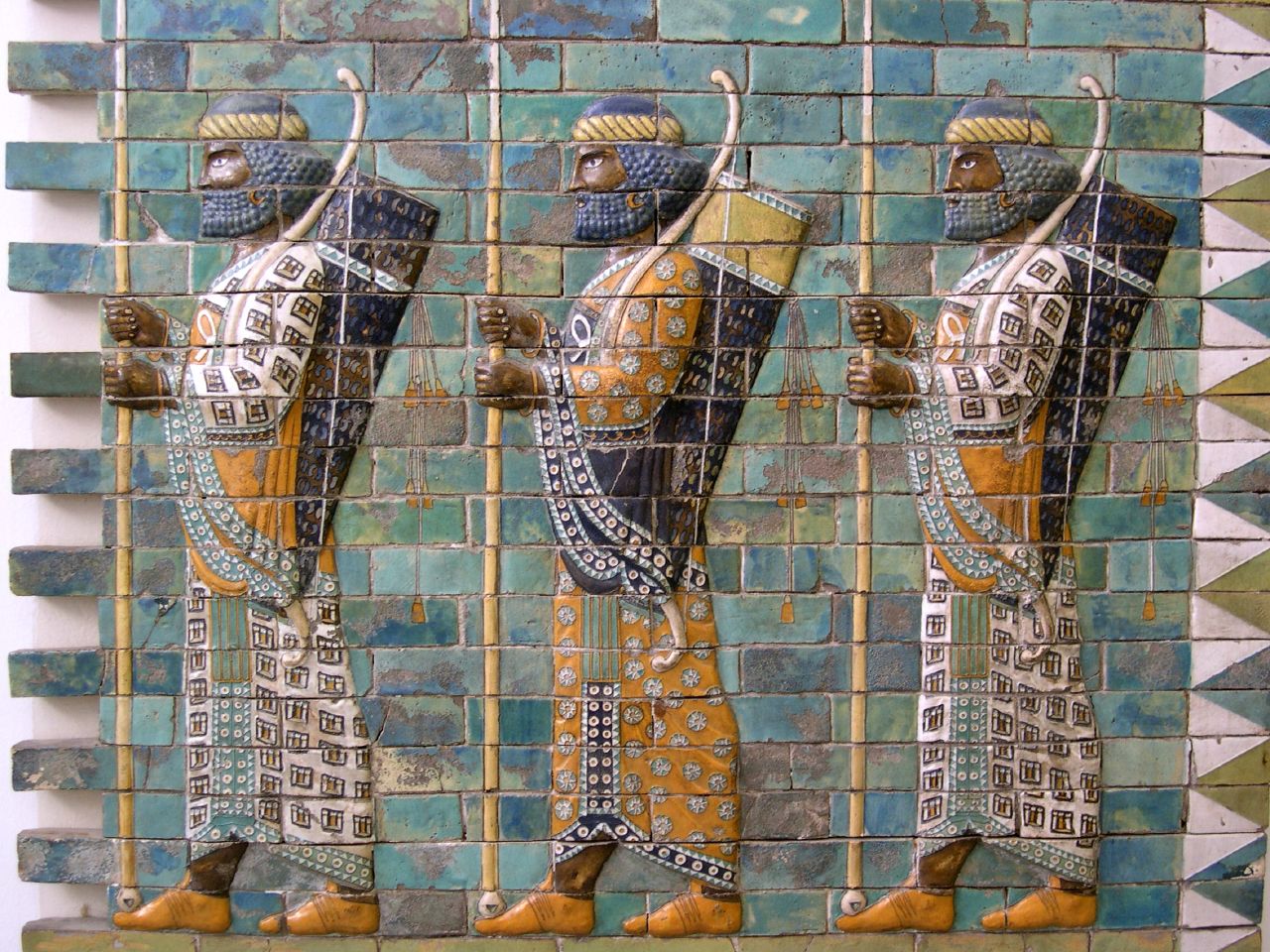
- Establishing the Immortal Guards
The Royal Capitals
The Achaemenids maintained several royal capitals. Each of these capitals served a different purpose.
| Capital | Function |
|---|---|
| Pasargadae | Cyrus's capital and ceremonial center |
| Persepolis | Ceremonial capital |
| Susa | Administrative capital |
| Ecbatana | Summer residence |
| Babylon | Major political and economic center |
Government
The Achaemenid Empire was an empire of firsts. They created one of the most sophisticated administrative systems the world had ever seen.
Economy
By constructing the Royal Road, stretching about 2,700 kilometers (1,700 miles), merchants and government couriers were able to travel rapidly throughout the empire. According to Herodotos, the Greek historian, royal messengers were able to traverse this distance in a week.
The empire relied and prospered through the following:
- Agriculture
- International trade
- Mining
- Tribute from provinces
- Coinage
Satrapies
The empire was divided into different provinces, and the ruler, Satrap, was appointed by the king.
To prevent the Satrapies from corruption and having all the power in one person’s hand, military commanders and royal inspectors worked independently from the Satrap.
“The King’s Eyes and Ears”
A network of royal inspectors called “The King’s Eyes and Ears” was created to oversee the activities of satrapies. These agents would travel throughout the empire and report back to the king directly. This method helped combat corruption and prevent rebellion.
Religion
Although the scholars debate the religion of the Achaemenids, it is believed the royal family to be practicing the early Zoroastrianism.
One of the things that separates the Achaemenids from other rulers of their time is the high tolerance they showed towards other religions. They never forced the people they conquered to change their religion. They were able to practice their beliefs. In many cases, the Achaemenids even supported the restoration of temples and local religious institutions.
Military
The Achaemenid army was like a multinational army and included troops from across different nations of the empire.
Its Achaemenid army included:
- Persian and Median infantry
- Elite cavalry
- Chariots
- Naval forces from Phoenicia, Egypt, and Cyprus
- Engineers and siege specialists
The most famous unit was the Immortals, an elite force of 10,000 soldiers. This unit was originally the king’s guards but later on became the first standing army in the world. Its numbers were always kept constant by immediately replacing casualties.
Art and Architecture
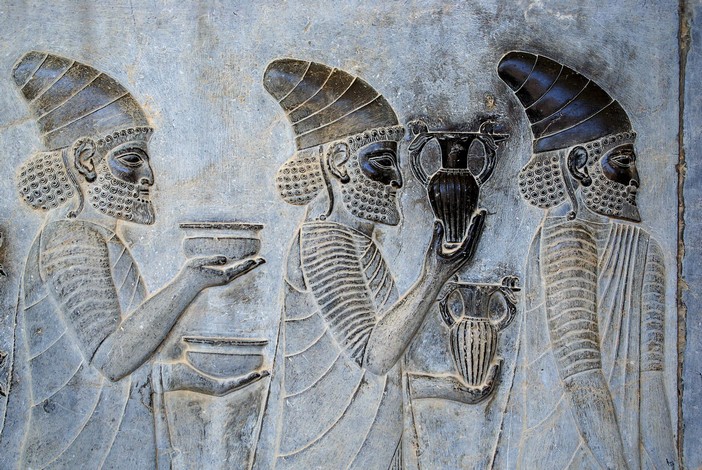
Having tolerance for other religions was not the only thing the Achaemenids had. The Achaemenid architecture was influenced by different cultures, making it a unique and distinctive imperial style.
Characteristics of the Achaemenid Art and Architecture include:
- Tall, tapered, and fluted columns
- Use of anathyrosis
- Double-headed bull capitals
- Grand audience halls (apadanas) with monumental stone terraces
- Intricate relief carvings depicting delegates from many nations bringing tribute
- Carefully planned gardens, often regarded as predecessors of the Persian pairidaeza (“paradise”) garden tradition
The best surviving examples of these characteristics can be found at Persepolis, Pasargadae, and Naqsh-e Rostam.
Wars with Greece
The Persian Empire fought a series of battles with the Greek city states known as the Greco-Persian Wars.
The major events during these wars included:
| Event | Date | Achaemenid King | Summary |
|---|---|---|---|
| The Ionian Revolt | 499–493 BC | Darius the Great | Greek cities in Ionia rebelled against the Achaemenid Empire under King Darius I. The revolt was ultimately suppressed. |
| The Battle of Marathon | 490 BC | Darius the Great | An Achaemenid force sent by Darius I was defeated by the Athenians near Marathon during the First Persian invasion of Greece. |
| The Battle of Thermopylae | 480 BC | Xerxes I | King Xerxes I invaded Greece. A small Greek force, including 300 Spartans led by Leonidas I, delayed the Persian advance before being overwhelmed. |
| The Battle of Salamis | 480 BC | Xerxes I | Fought shortly after Thermopylae, the Greek fleet defeated the larger Achaemenid navy in the Strait of Salamis. |
| The Battle of Plataea | 479 BC | Xerxes I | The Greek alliance defeated the remaining Achaemenid land forces in Greece, effectively ending Xerxes' invasion. |
Although the Persians were able to achieve major victories, they failed to subjugate mainland Greece.
Decline and Fall
Like every other empire, the Achaemenid’s reign eventually came to an end. By the 4th century BC, the empire faced:
- Court rivalries
- Regional revolts
- Heavy military expenditures
- Succession disputes
Alexander the Great invaded the empire in 334 BC and put an end to the Achaemenid Empire.
The major battles that followed were:
| Battle | Date | Summary |
|---|---|---|
| Battle of the Granicus | 334 BC | Alexander won his first major victory over the Achaemenid Empire in northwestern Asia Minor (modern Türkiye), opening the way for the conquest of Asia Minor. |
| Battle of Issus | 333 BC | Alexander defeated Darius III in southern Anatolia. Darius fled the battlefield, and his family was captured. |
| Battle of Gaugamela | 331 BC | Alexander won the decisive battle near Gaugamela (modern Iraq), leading to the collapse of Achaemenid rule and the capture of Babylon, Susa, and eventually Persepolis. |
After his defeat at Gaugamela, Darius III fled east, where he was killed by one of the nobles in 330 BC.
Legacy
The Achaemenid dynasty’s legacy is a long and enduring one. It includes:
- It created the first Persian world empire.
- It established advanced systems of provincial administration.
- It promoted long-distance trade and communication across three continents.
- It influenced later empires, including the Seleucids, Parthians, Sasanians, Romans, and even aspects of later Islamic administration.
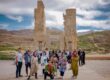
- Its monuments at Persepolis and Pasargadae remain among the world’s most important archaeological sites and are recognized as UNESCO World Heritage Sites.
The Achaemenid Empire is remembered for its sophisticated administrative system, monumental architecture, and the influence it had on the world.
FAQ
What was the Achaemenid Empire?
The Achaemenid Empire was the first Persian Empire, founded by Cyrus the Great around 550 BC. It became one of the largest and most diverse empires of the ancient world and lasted until its conquest by Alexander the Great in 330 BC.
Who founded the Achaemenid Empire?
Cyrus the Great founded the Achaemenid Empire by transforming the small Persian kingdom of Anshan into a vast empire.
How large was the Achaemenid Empire?
At its height, the empire stretched from the Balkans and Egypt in the west to the Indus Valley in the east. The article estimates that its population represented about 40–45% of the world’s population.
Who were the most important Achaemenid kings?
Cyrus the Great, Cambyses II, Darius I, and Xerxes I. Cyrus founded the empire, Cambyses expanded it into Egypt, and Darius reorganized the empire and introduced major administrative and economic reforms.
What were the capitals of the Achaemenid Empire?
The Achaemenids maintained several royal centers, including Pasargadae, Persepolis, Susa, Ecbatana, and Babylon. Each served a different purpose, ranging from ceremonial and administrative functions to seasonal residence and political or economic activity.
What was Persepolis used for?
Persepolis was the ceremonial capital of the Achaemenid Empire and became the site of a monumental palace complex constructed under Darius I.
How was the Achaemenid Empire governed?
The empire was divided into provinces called satrapies. Satraps were appointed by the king, while military commanders and royal inspectors operated independently to limit corruption and prevent any single official from becoming too powerful.
What religion did the Achaemenids follow?
The religion of the Achaemenid royal family is debated by scholars, although the article states that they are believed to have practiced an early form of Zoroastrianism. The empire was also known for its tolerance toward other religions.
Did the Achaemenid Empire fight the Greeks?
Yes. The Achaemenid Empire fought a series of conflicts with Greek city-states known as the Greco-Persian Wars. Major events included the Ionian Revolt, the Battle of Marathon, Thermopylae, Salamis, and Plataea.
Who defeated the Achaemenid Empire?
Alexander the Great invaded the Achaemenid Empire beginning in 334 BC. His victories at Granicus, Issus, and Gaugamela led to the collapse of Achaemenid rule.
References
- Encyclopaedia Iranica — Achaemenid Dynasty
- Pierre Briant — From Cyrus to Alexander
The most comprehensive scholarly history of the empire. - Amélie Kuhrt — The Persian Empire: A Corpus of Sources
Essential for reading the ancient evidence with expert commentary. - Matt Waters — Ancient Persia: A Concise History of the Achaemenid Empire
A clear, up-to-date introduction that reflects modern scholarship. - Maria Brosius — The Persians: An Introduction
- The Cambridge History of Iran Volume 2 — The Median and Achaemenian Periods