
Introduction
The Persian Gulf is located in southern Iran and, through the Strait of Hormuz, is connected to the Gulf of Oman and the rest of the world. For thousands of years, maritime trade across the Persian Gulf has connected the Iranian Plateau and Mesopotamia with Arabia, India, and the wider Indian Ocean. In modern times, the Strait of Hormuz has also become one of the world’s most important routes for oil and gas shipments.
It is ~241,000 km² (93000 mi 2) and borders Iran, Iraq, Kuwait, Saudi Arabia, Bahrain, Qatar, the United Arab Emirates, and Oman.
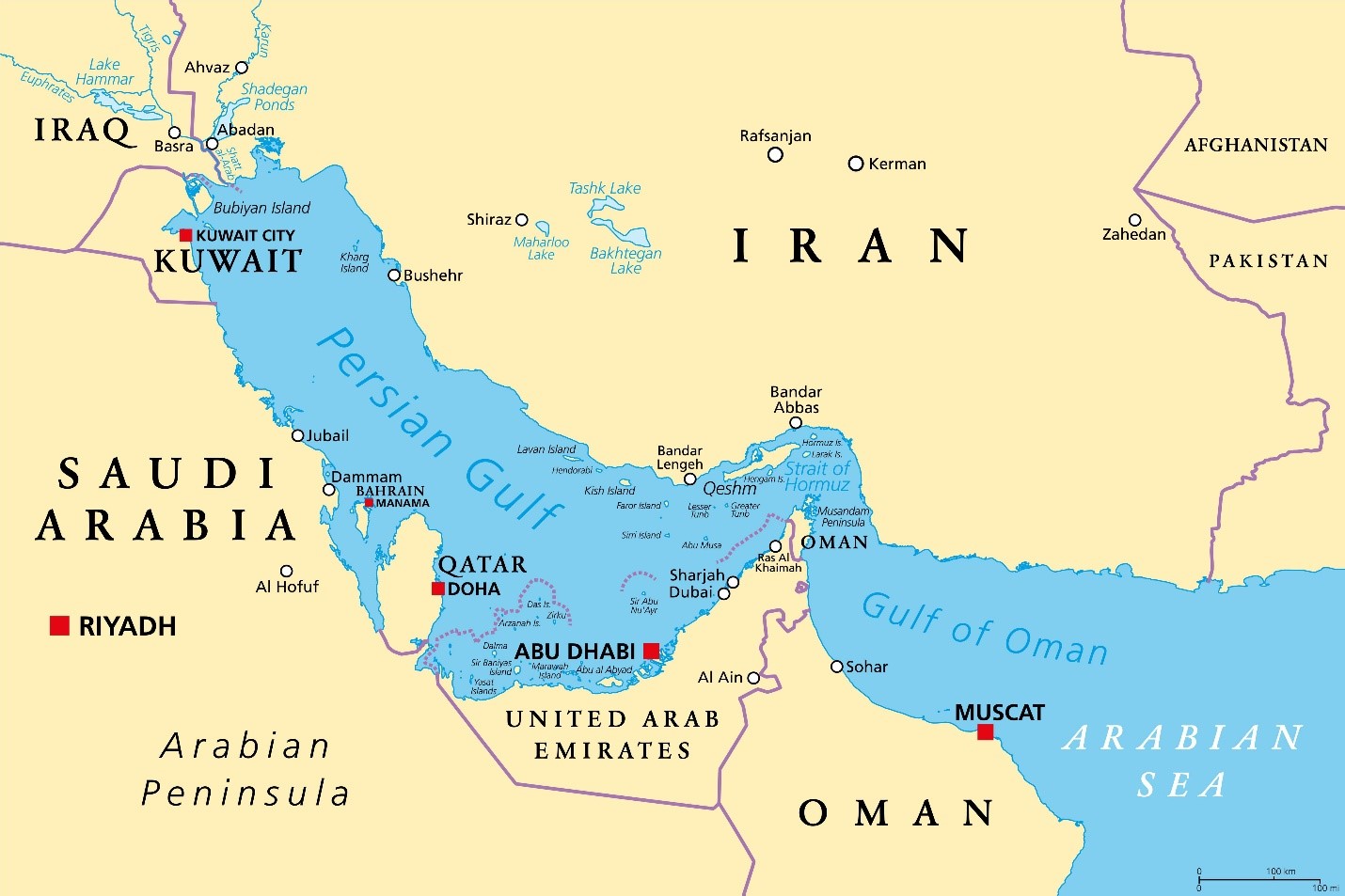
What makes the Persian Gulf important?
Its importance today comes largely from its location between major oil- and gas-producing states and the Strait of Hormuz, the narrow passage connecting the Persian Gulf with the Gulf of Oman. Commercial vessels and tankers go through the Persian Gulf and the Strait of Hormuz to transfer the oil to international markets.
Geography
The Persian Gulf took its present form as sea levels rose following the last Ice Age, flooding the low-lying basin between the Iranian Plateau and the Arabian Peninsula.
Major geographic features of the Persian Gulf include:
- Strait of Hormuz
- Numerous coral reefs
- Extensive tidal flats
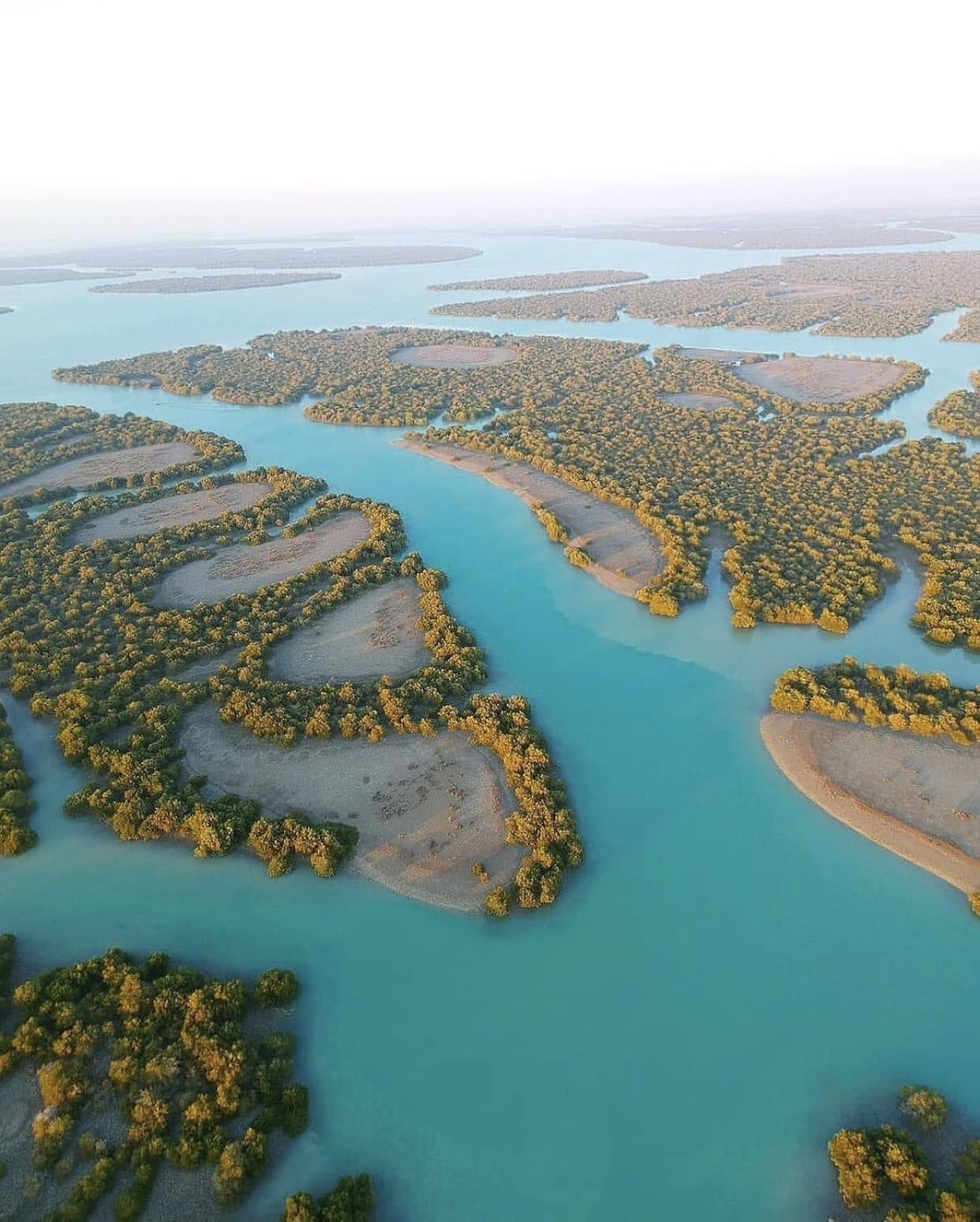
- Mangrove forests
- 130 Islands
Islands in the Persian Gulf
Iran has numerous islands in the Persian Gulf, ranging from large inhabited islands such as Qeshm and Kish to smaller offshore islands and islets.
The most important Iranian islands in the Persian Gulf are:
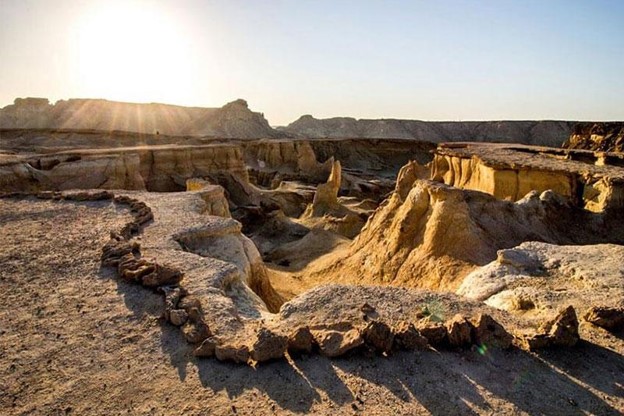
- Qeshm: Qeshm is the largest island in the Persian Gulf, with an area greater than that of the island nation of Bahrain. It is close to Hormuz, Hengam, and Larak islands. This island has canyons, valleys, caves, cliffs, mangrove forests and unusual rock formations.
- Kish: A major tourist destination known for its beaches, resorts, shopping, water sports, entertainment, and modern tourism infrastructure.
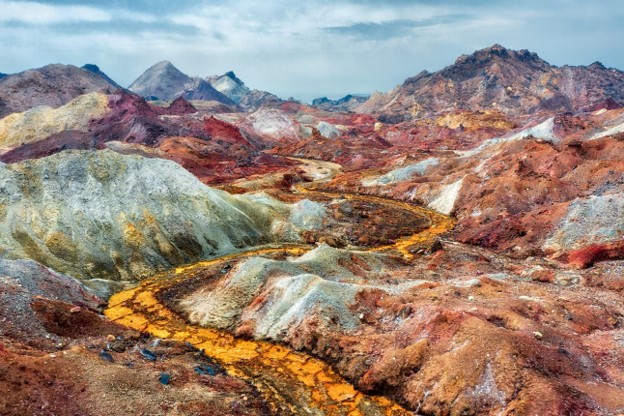
- Hormuz: Located at the entrance of Strait of Hormuz. Its spectacular geology, colorful mountains, maritime history, local culture, and art make Hormuz one of the most distinctive islands in Persian Gulf.
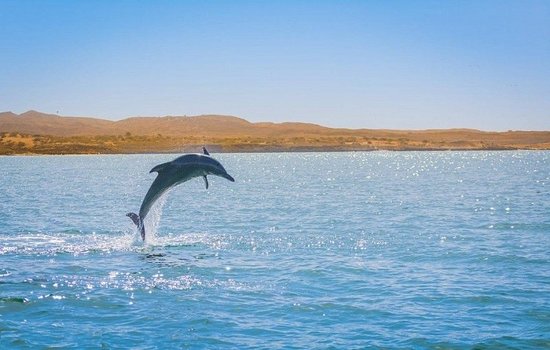
- Hengam: Hengam is a small island south of Qeshm, known for its marine life, dolphins, quiet beaches, and traditional island communities.
- Larak: It has rugged coastline, relatively quiet beaches, coral-rich waters, fishing culture and, under suitable conditions, visitors may also see bioluminescent waters along parts of its coast. Together, these features give Larak a character distinct from Qeshm and Hormuz.
- Kharg: It’s located off the coast of Bushehr Province and home to a major terminal for Iran’s crude-oil exports.
- Lavan: This island is west of Kish and located in Hormozgan Province. Lavan is a remote island and not a typical touristic one. Besides its oil industry, it has fishing communities, beaches, sea turtles and relatively undeveloped natural landscapes.
- Hendorabi Island: A quiet, undeveloped island located between Kish and Lavan. It retains a traditional island character and is suitable for low-key nature tourism.
- Sirri: This small island is located in Bushehr Province, west of Abu Musa Island. Sirri is not a conventional tourist destination; its importance comes primarily from its offshore oil fields and energy infrastructure.
- Abu Musa: Abu Musa, together with the Greater Tunb and Lesser Tunb, is included because of the islands’ strategic location and maritime importance.
Historical Importance
Archaeological evidence shows that communities around the Persian Gulf have been involved in settlement and maritime trade for thousands of years.
Some of the major civilizations around the Persian Gulf include:
- Sumerians
- Elamites
- Babylonians
- Assyrians
- Persians
Maritime routes across the Persian Gulf linked Mesopotamia and the Iranian Plateau with Arabia, the Indus Valley, and the western Indian Ocean.
Persian Empires
Under the Achaemenids and later the Sasanids, Persian rulers developed ports and naval capabilities and maintained maritime trade links with India and the wider Indian Ocean.
Historically, the ports of the Persian Gulf exported a variety of goods, including:
- Pearls
- Arabian and Persian horses
- Dates
- Textiles
Islamic Era
Following the Arab-Muslim conquest, several ports in the Persian Gulf became important centers of trade within the expanding Islamic world.
Ports such as Basra, Siraf, and Hormuz grew wealthy from their position on trade routes linking the Middle East with India and the wider Indian Ocean.
Portuguese Occupation (1507–1622)
During the early 16th century, Portugal sought to control key maritime routes linking the Indian Ocean with the Persian Gulf. In 1507, Afonso de Albuquerque captured Hormuz and established Portuguese control over the island and its strategic position at the entrance to the Gulf.
In 1622, a joint Safavid–English campaign expelled the Portuguese from Hormuz.
British Influence (18th–20th Century)
By the 18th century, Britain was increasingly involved in the affairs of Persian Gulf, largely because of the region’s importance to trade and the routes to British India.
Britain concluded a series of treaties with sheikhdoms as it sought to protect maritime trade and communications with India.
Origin of the Name
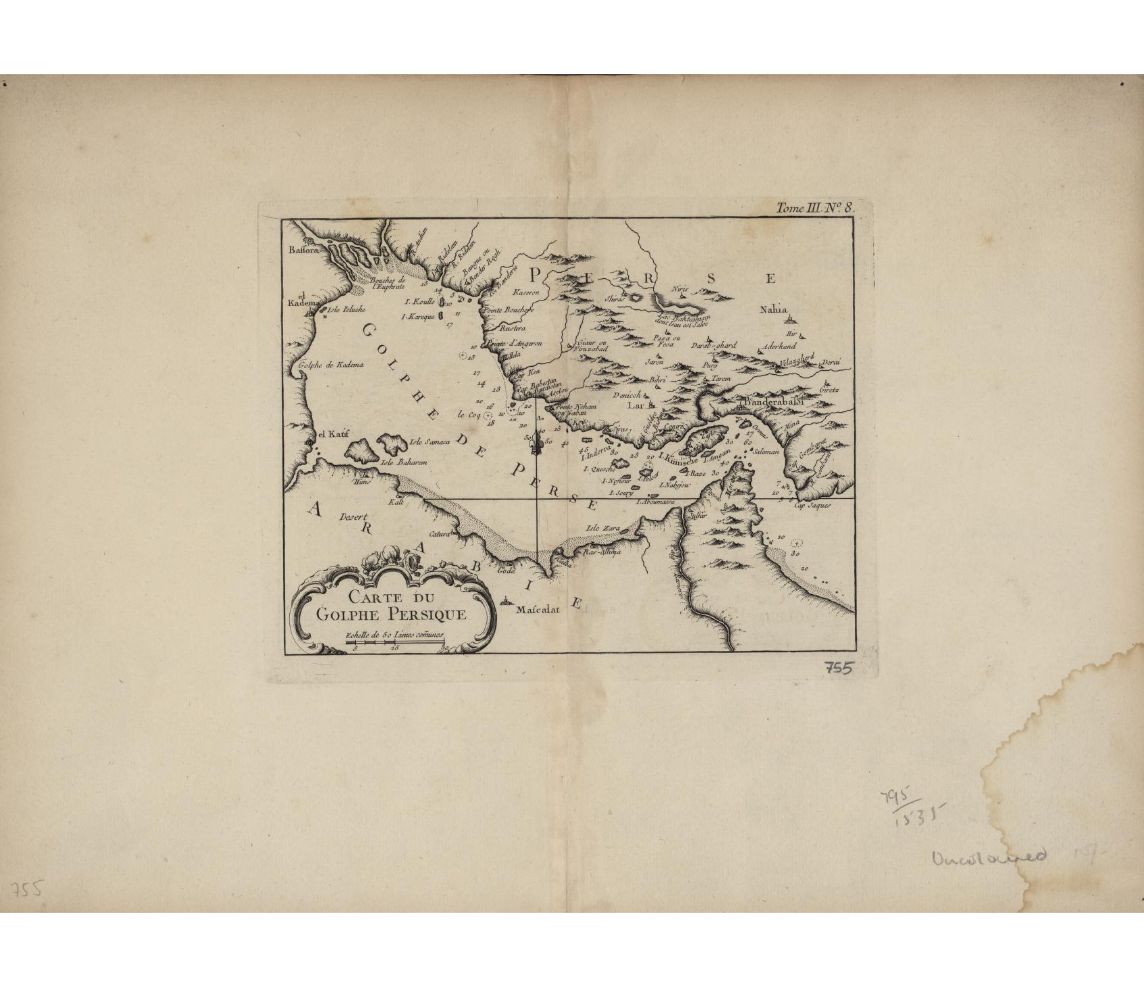
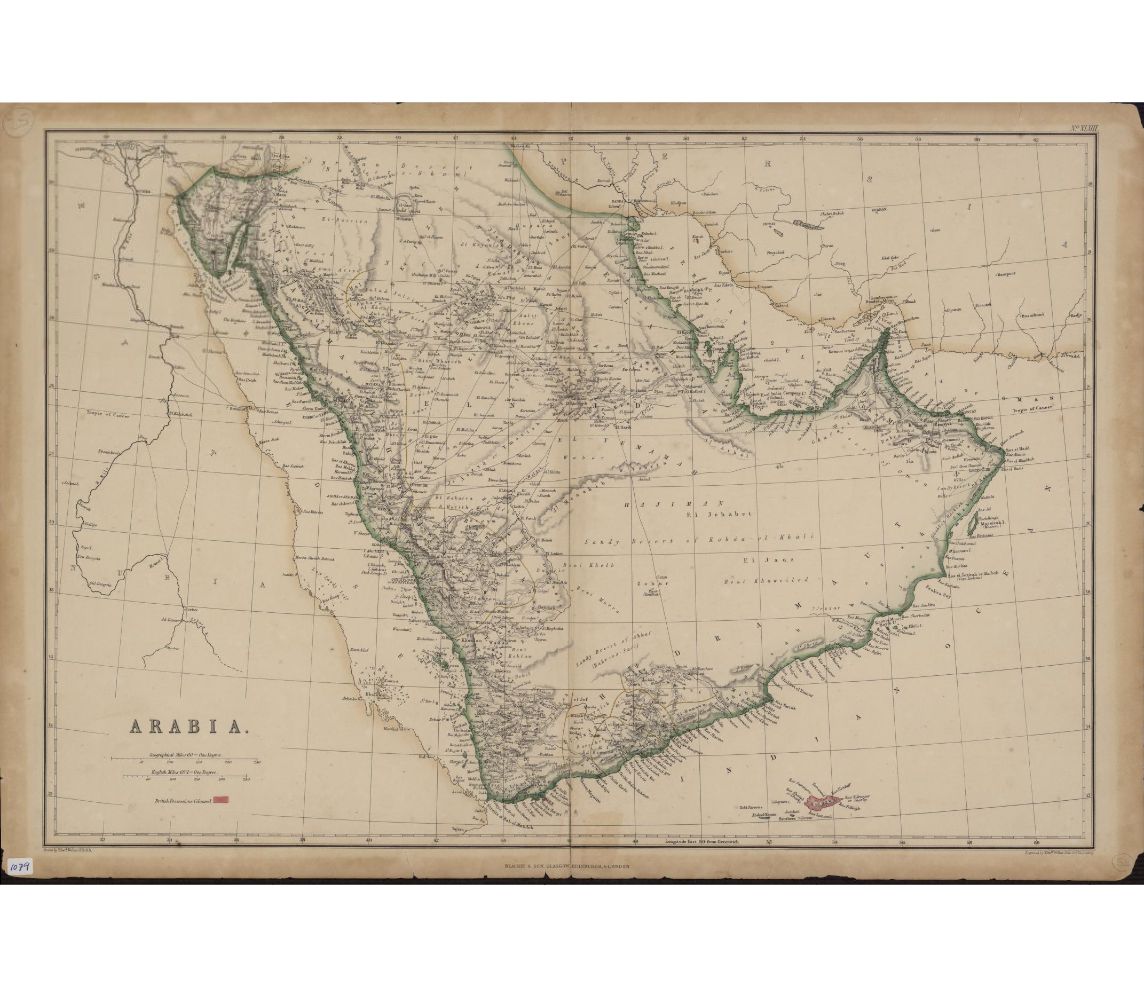
The name ‘Persian Gulf’ has a long-documented history, appearing in Greek, Latin, Arabic, Persian, and European geographical sources.
References to the Persian Gulf appear across different periods and traditions, from Greek and Roman geographical works to medieval Islamic writings and later European and Ottoman maps.
The United Nations Secretariat has advised that “Persian Gulf” is the standard geographical designation used in official UN documents.
Economy
The Persian Gulf plays a major role in global energy markets because some of the world’s largest oil and natural-gas reserves are located around its shores.
Major exports include:
- Crude oil
- LNG
- Petrochemicals
- Refined petroleum products
- Aluminum
- Steel and other metals.
- Dates
- Fisheries
- Fertilizers
- Industrial products and manufactured goods
Major ports include:
- Bandar Abbas
- Jebel Ali
- Basra
- Dammam
- Doha
- Kuwait Port
Strait of Hormuz
The Strait of Hormuz is the principal maritime passage connecting the Persian Gulf with the Gulf of Oman and the Arabian Sea.
At its narrowest point, the Strait of Hormuz is approximately 39 km wide.
Based on the U.S. Energy Information Administration (EIA), In 2024, an average of about 20.7 million barrels of crude oil, condensate, and petroleum products passed through the Strait of Hormuz each day, equivalent to about 20% of global petroleum liquids consumption.
Ecosystem Diversity
Despite its high temperatures and extreme salinity in some areas, the Persian Gulf supports a range of marine habitats and species.
Species include:
- Dugongs
- Dolphins
- Whale sharks
- Sea turtles
- Coral reefs
- Mangrove forests
- Seagrass meadows
The marine environment in the region faces several pressures, including:
- Oil pollution
- Coastal development
- Climate change
- Rising sea temperatures
- Desalination discharges
Tourism
On Iran’s southern coast, travelers can explore islands, beaches, geological landscapes, traditional communities, and marine environments.
Some of the most interesting destinations for travelers include:
- Qeshm Island—UNESCO Global Geopark with dramatic geological formations.
- Kish Island—Beaches, diving, shopping, and recreational resorts.
- Hormuz Island—Colorful volcanic landscapes and unique mineral-rich terrain.
Best Time to Visit
The Persian Gulf remains warm throughout much of the year, but summer temperatures along the coast can be extremely high.
For most travelers, November through March is the most comfortable period for exploring the islands and spending time outdoors.
June through September is much hotter, so plan outdoor activities for early morning or late afternoon and expect very high daytime temperatures.
Conclusion
The Persian Gulf is more than an energy corridor: its islands, ports, archaeological sites, marine environment, and centuries-old trade networks make it an important part of the region’s history and culture.
Although oil and gas dominate much of the Persian Gulf’s modern economy, they represent only one part of its story. From Iran‘s islands and historic ports to the Arab Gulf states, each part of the region offers its own landscapes, traditions, food, and history.