

Introduction
Respecting the cultural beliefs of a country you want to travel to is an important part of traveling. The dress code is one of the most important requirements travelers should follow.
Before packing, it’s good to know Iran has legal requirements regarding the dress code for locals and visitors alike.
Women’s dress code in Iran
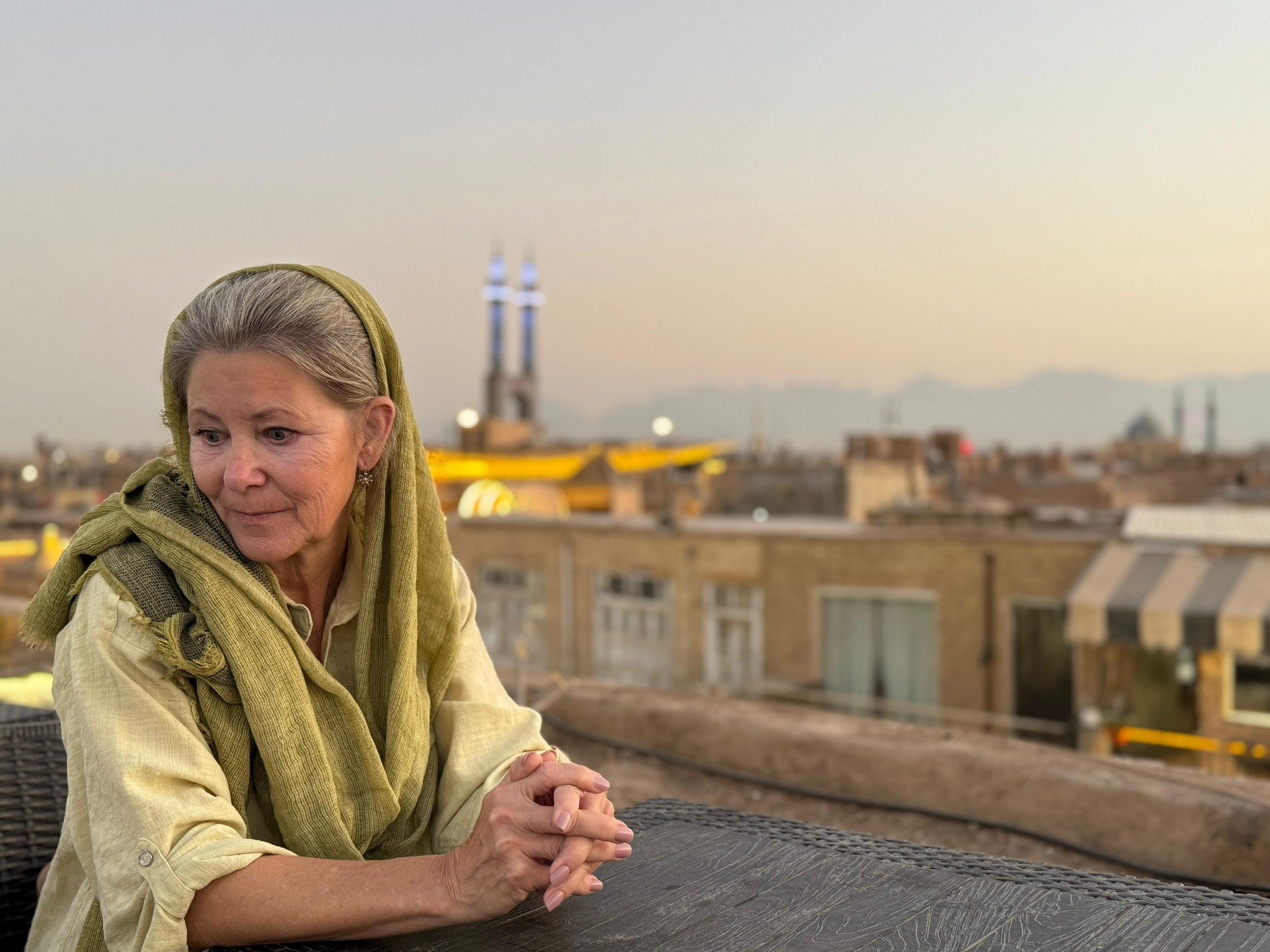
Female visitors are required to dress modestly while in Iran.
- A scarf to cover your hair.
- Long tunics, manteaus, cardigans, or shirts paired with trousers or jeans.
- Sandals and open-toe shoes are acceptable.
Men’s dress code in Iran
For men, the rules are straightforward.
- Avoid shorts and sleeveless tops in public.
- Wear jeans or long trousers in public.
- T-shirts, polo shirts, and button-down shirts are widely acceptable.
At Religious Sites
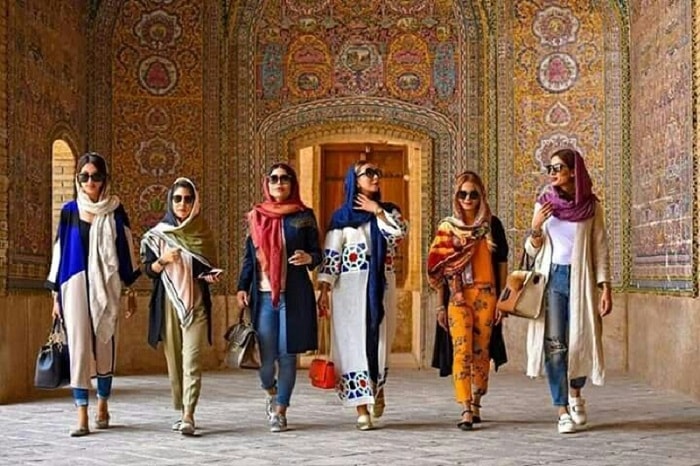
Tourists should wear more conservatively when they are visiting mosques or shrines.
- Women should wear clothing that covers their body and a head covering. A chador is required at some Islamic Iranian holy shrines and is available at the entrance free of charge.
- Men should wear jeans or long trousers and avoid wearing sleeveless tops.
- You may need to take off your shoes while visiting the prayer areas or some interior parts of shrines and mosques. You can wear socks if you are uncomfortable having bare feet.
What Should You Pack?
For a comfortable experience, consider bringing:
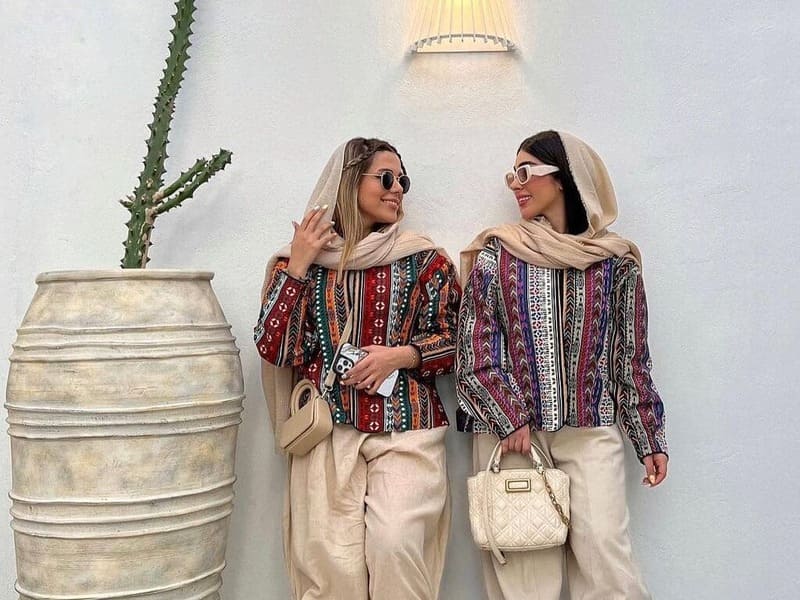
- A lightweight scarf for women.
- Loose and breathable clothing
- Comfortable walking shoes
- A light jacket for cooler evenings, especially during autumn and winter, and for air-conditioned spaces.
Conclusion
Understanding Iran’s dress code is an important part of preparing for your journey. Although the rules may be unfamiliar at first, most travelers quickly get used to them. Following the Iranian dress code is a way to respect the local culture.
FAQ
Do female tourists have to wear a hijab in Iran?
Yes! Female visitors are required to cover their hair in public.
Can women wear jeans and sneakers in Iran?
Yes! Women can wear jeans and sneakers in Iran.
Can women wear short manteaus in Iran?
Yes! It is acceptable to wear short manteaus that are at least below the thighs in Iran but the overall outfit needs to meet modest-dress requirements.
What should men wear in Iran?
Men should avoid wearing shorts and sleeveless tops in public.
What should tourists wear when visiting mosques and shrines?
Besides the usual outfits, women will be provided with a chador at the entrance of some mosques and Islamic shrines. You might want to wear socks as well since you may have to take your shoes off while entering prayer sections or some interior parts of mosques and shrines.
Do women need to wear a chador at Iranian shrines?
Yes! One will be provided for you at major Islamic shrines where a chador is required.
What should I pack for Iran to follow the dress code?
Pack a lightweight scarf and loose, breathable clothing made from cotton or linen for women, along comfortable walking shoe and a light jacket for cooler evenings or air-conditioned spaces.
What should women wear on a typical summer day?
Iran has a warm temperature in the central and southern parts and it’s better to wear breathable outfits, especially in summer.
What to wear in winter?
It depends on which part of Iran you are traveling to, but it’s better to pack something warm.
Are sandals acceptable?
Yes! Sandals are acceptable in Iran. If you are visiting a religious place, you might want to wear socks as you may need to take off your footwear.
Are leggings acceptable, and what should I wear with them?
Leggings are acceptable, but wear a manteau on top of them.
Are short sleeves acceptable?
Short sleeves that reach around the elbow may be acceptable. Keep in mind that more conservative clothing may be required or expected at particular religious sites.
What to wear on domestic flights?
Travelers should continue following the public dress requirements while on domestic flights.
What happens if your scarf slips off?
There is no need to panic. You can put it back on again.
What to wear when arriving at the airport?
When you arrive at the airport in Iran, you should follow the guidelines regarding the dress code. Modest outfits that covers the body and a head scarf for women and jeans or long trousers with T-shirts or shirts for men.