

Introduction
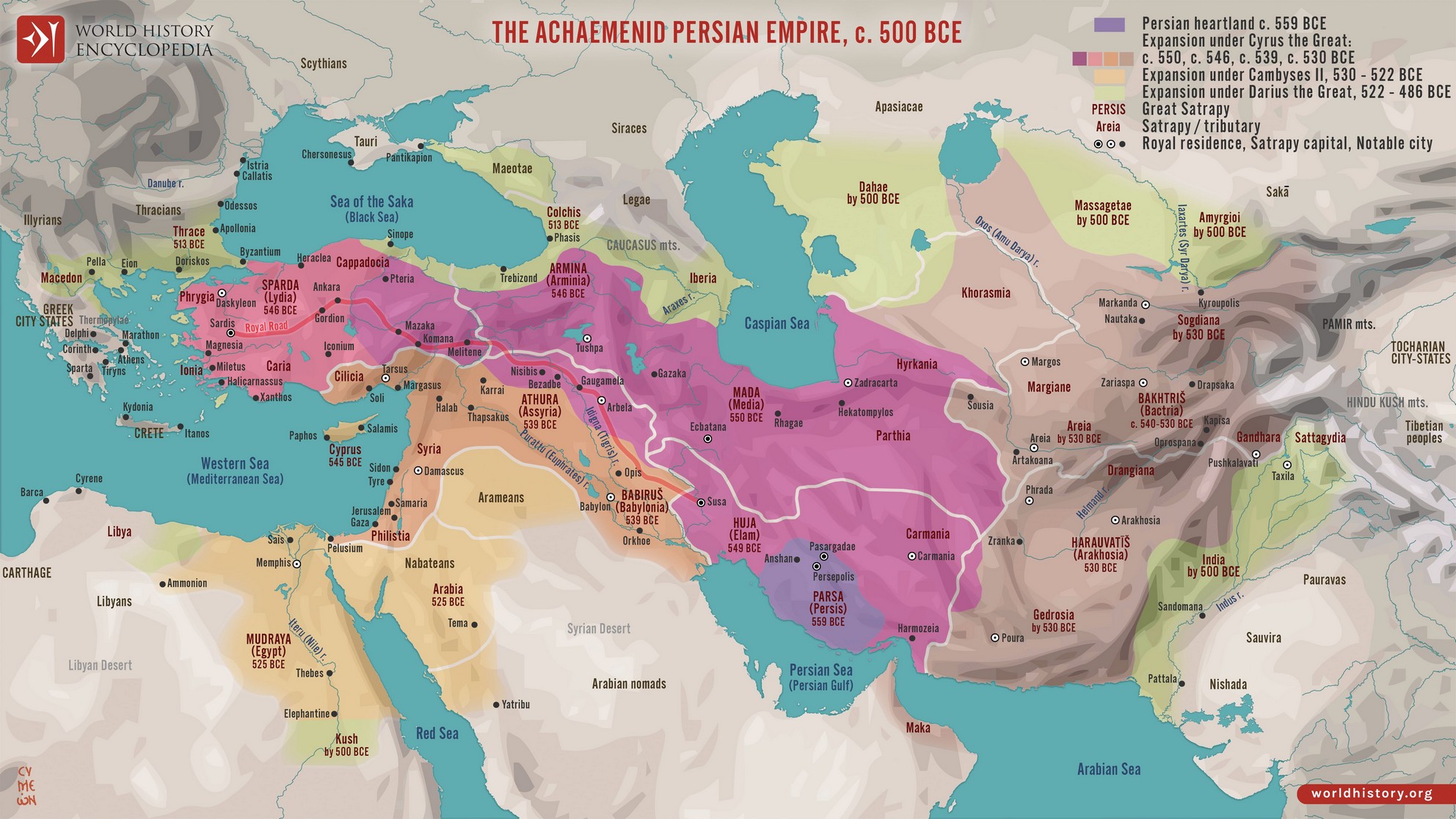
Cyrus the Great (approximately 590–580 BC) founded the Achaemenid Empire, the largest empire the world had ever seen till that date. After unifying the Persians and Medians, he founded the Achaemenid Empire.
His policy regarding the nations annexed to the empire was unique and new to the ancient world. He showed tolerance towards new cultures, customs, and religions.
Early life
Usually, important historical figures are blended in myth and stories. A dream, a child to be born, and how he manages to put the previous king aside and become the new ruler.
Some historical and mythological figures in different cultures who are shrouded in mystery are Moses for the Jews, Sargon for the Akkadians, Romulus and Remus for the Romans, Oedipus, Perseus, and Telephus for the Greeks, and Cyrus the Great for the Persians.
Ancient sources give different accounts of Cyrus’s early life.
Herodorus
The earliest account was written roughly a century after Cyrus the Great by Herodotus.
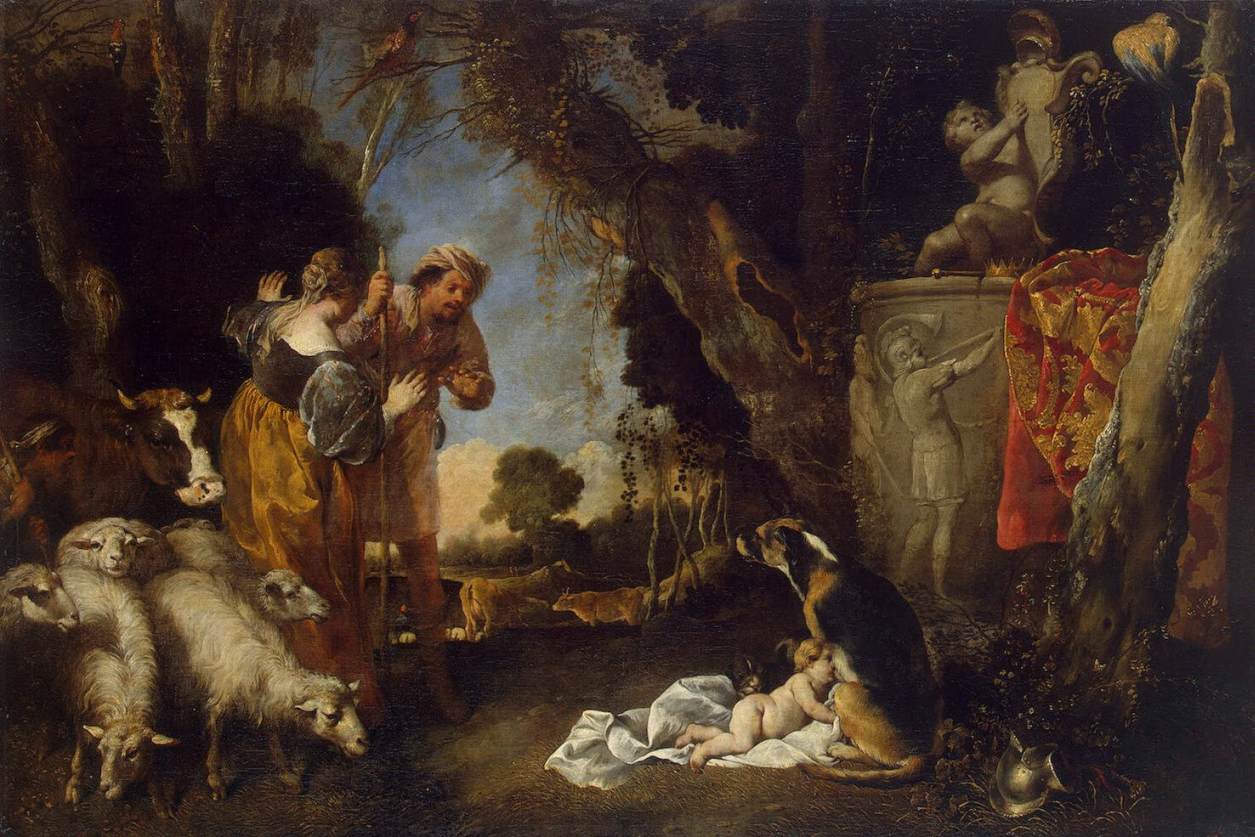
Astyages, the last Median king, had a dream. In the dream, water flowed from his daughter, Mandana, that covered the entirety of his empire and Asia. The dream interpreters told him that his empire would fall by Mandana’s son.
He married Mandana to a Persian local king named Cambyses I to keep her far from the Median Empire. Astyages had another dream in which a grape tree had grown from his daughter’s belly and its shade was covering the world.
He ordered his advisor to kill the child of Mandana after birth. Harpagos took the newborn Cyrus and gave him to a shepherd to kill. The shepherd’s newborn child had just passed away, and he decided to keep Cyrus as his own.
10 years passed, and Astyages saw Cyrus and found out this is his grandson. He was furious and punished Harpagos by killing his son, which led him to join forces with Cyrus, who was living with his real parents, to overthrow Astyages.
Ctesias of Cnidus
Ctesias was the physician to the Achaemenid king Artaxerxes II (late 5th and early 4th centuries BC). He lived in the Persian royal court for many years and accompanied Artaxerxes II during the Battle of Cunaxa in 401 BC.
According to him, Cyrus II was from a Persian tribe, his father a bandit and his mother a goatherd. Cyrus went to the court of Astyages and became his cupbearer. He rose in power to the extent that he appointed his father as the ruler of the Persians. Eventually he, alongside his father, fought with Astyages and won the battle.
There are many inaccuracies in this story, and it has been used to describe another king during the Sassanid dynasty as well.
Xenophon
According to Xenophon, the Greek historian, Cyrus the Great was the son of Cambyses I from the family of Perseus, the son of Zeus, the Olympian god, and his mother was Mandana, the daughter of Astyages.
Cyrus was 12 when his grandfather, Astyages, invited him to his court. He excelled among the other young men and was defeated the Assyrian king.
There are some inaccuracies in this story as well. The Assyrian empire had already fallen by that time, and the relationship between Cyrus II and his grandfather wasn’t as kind as mentioned by Xenophon when compared to other sources.
Historical Accounts
Originally, the Persians had a local dynasty that would ally with their neighbors from time to time to fight a common enemy. Cyrus’s father, Cambyses I, was king of the Persians. On the other hand, there are doubts about his mother. Besides the stories written by Greeks, there isn’t any strong evidence proving his mother was Mandana, daughter of Astyages, the Median king.
Cyrus’s Wars
Median – Persian Wars
Cyrus became king of Anshan approximately in 559 BC. Astyages, the last Median king, summoned Cyrus to his court as he had suspected Cyrus was preparing to wage war against him. Cyrus refusal led to two major battles. Astyages had the upper hand at first, until he reached the vicinity of Pasargadae. In the last battle, the Persians managed to defeat Astyages and pushed him back. A huge number of the Medes joined the Persians, thanks to Harpagos, and marched to Ecbatana in modern-day Hamedan.
Cyrus the Great defeated Astyages, the last king of the Median Empire, and united the Persians and Medians. This became the cornerstone of the Persian Empire.
Lydian–Persian War
Lydia was located in the western parts of Anatolia in modern Türkiye. There was a long conflict between Lydians and the Medians. Eventually, during the reign of Cyaxares, the Median king, they signed a peace treaty, and the daughter of Alyattes, king of Lydia, was married off to young Astyages, the crown prince of the Median Empire.
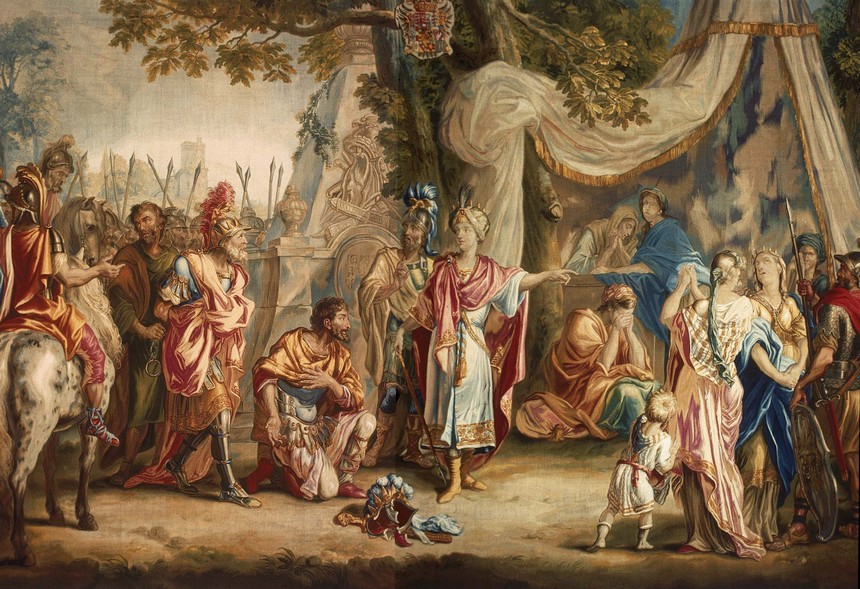
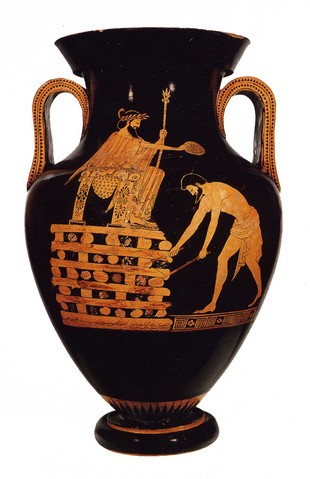
Croesus succeeded his father Alyattes in 560 BC. Cyrus defeated Astyages around 550 BC. Croesus decided to defeat Cyrus before he could become a threat.
By having an alliance with Spartans, Babylonians, and Egyptians, Croesus was confident he could defeat Cyrus and marched east. Croesus had sent gifts to the temple of Delphi, and the oracle of Delphi had told him if he fights with Persians, a great empire will be destroyed.
Croesus acted before his allies supports could arrive. The war that occurred in modern Cappadocia, did not lead to any particular result. By the arrival of winter, Croesus decided to return to Sardis, his capital, and march out in spring.
Cyrus used this opportunity and marched towards Sardis. The tribes who were against Croesus joined him as well. He defeated Croesus in approximately 547 BC and returned to Ecbatana.
Babylonian-Persian War
With Lidya and Media defeated, Cyrus turned his attention to Babylon. Nabonidus, the last king of Babylon, was not favored by the priests. They believed he was disrespecting the gods by his actions. According to the Babylonian Chronicle, when Cyrus marched towards Babylon, there was little to no resistance from people, and he conquered Babylon easily.
After conquering Babylon, he freed the captive Jews and helped them rebuild their temples in Jerusalem. In Jewish traditions, Cyrus the Great is hailed as a savior and he is called God’s “anointed one” in Isaiah.
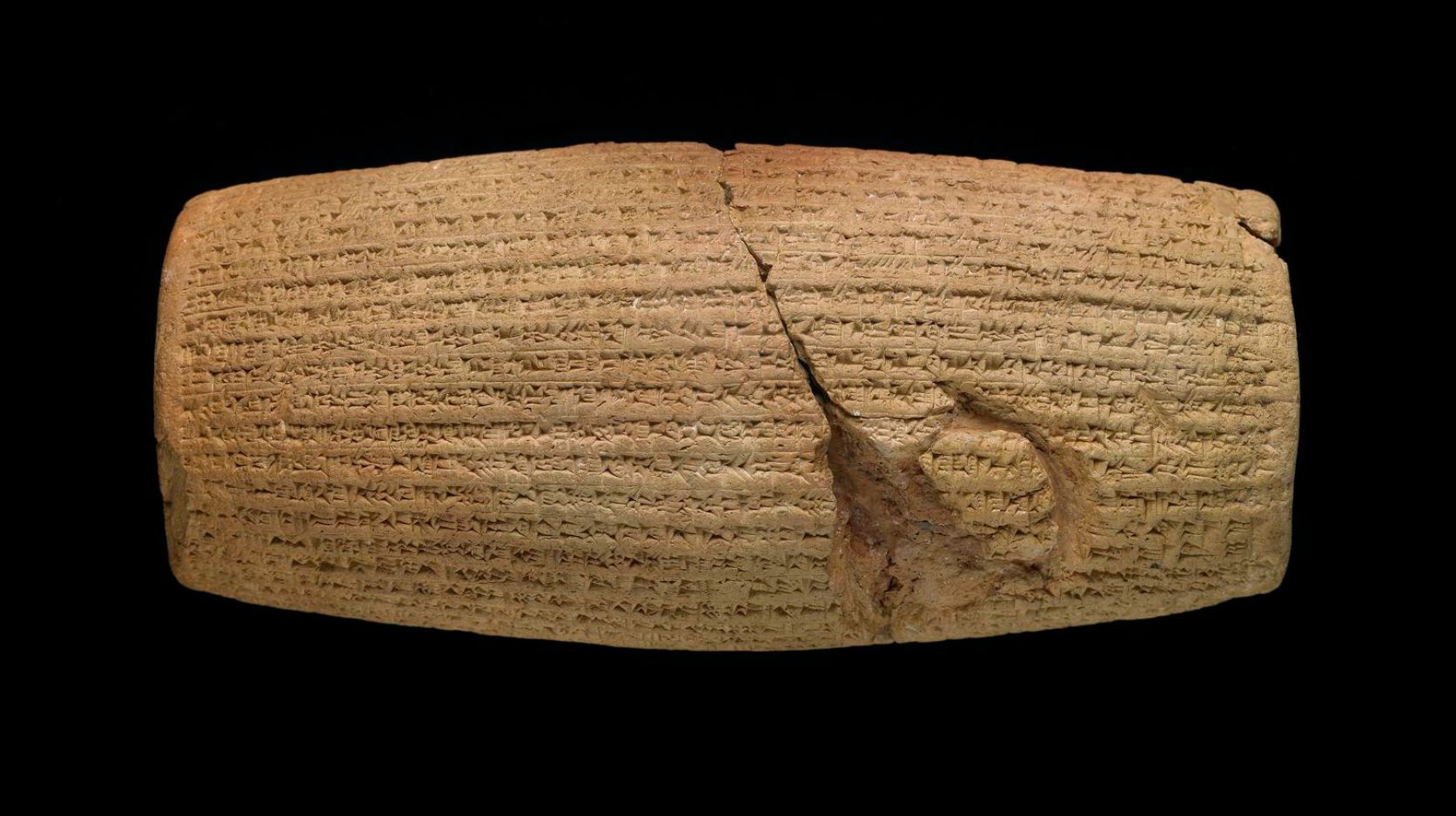
The Cyrus Cylinder
The Cyrus Cylinder was found in spring of 1879 in the ancient city of Babylon in modern Iraq. It is one of the most interesting cuneiform historical documents ever discovered. This clay cylinder is 22.5 cm in length and 11 cm in width.
This cylinder can be divided into two parts. The first part praises Marduk, the Babylonian god, and talks about the events leading up to the conquest of Babylon. How the temples were disrespected and people were suffering. Marduk was angry at the incompetence of the Babylonian ruler and how he disrespected the temples and peoples suffering. Marduk searched for a righteous person and ordered Cyrus to go to Babylon and liberate it.
According to the Cyrus Cylinder, he entered Babylon without bloodshed, and people were happy to see their savior.
The inscription then shifts to Cyrus’s first-person voice. Cyrus says, ” I am Cyrus, king of the universe, the great king, the powerful king, king of Babylon, king of Sumer and Akkad, king of the four quarters of the world.”
He then talks about his lineage and traces it back to Teispes.
Cyrus treated Babylonians the same way he did the Medians and Lydians with respect. He honored their traditions and beliefs after conquering them.
The Cyrus Cylinder is kept in the British Museum today.
Death
After conquering Media, Lydia, and Babylon, Cyrus was preparing to march towards Egypt. The Sakas in the north had gathered their troops, and Cyrus had to move there to suppress them once again before he could march towards Egypt.
Just like his birth, the story of his death is shrouded in mystery. These stories were passed on by the Greek sources.
Herodotus
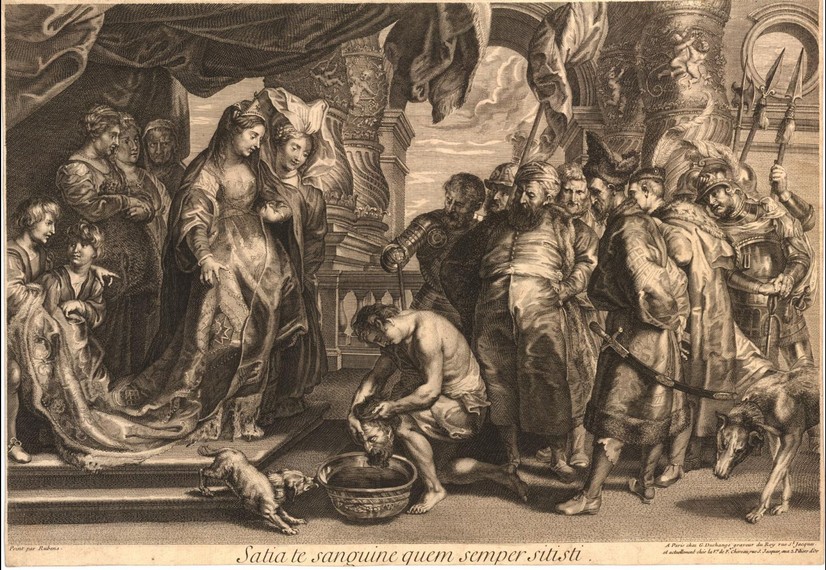
Cyrus marched to the eastern Caspian Sea and defeated the Massagetae. In this battle the son of Tomyris, queen of the Massagetae was captured. Her son, who was one of the commanders of the Massagetae troops, killed himself. Tomyris swore to take revenge. After killing Cyrus and decapitating him, she put Cyrus’s head in a skin/bag filled with blood.
Ctesias of Cnidus
Cyrus was fighting with a tribe of Sakas, where he was wounded by a spear. The other Saka tribes came to his rescue. Before his death, Cyrus gave an eastern part of the Persian Empire to his younger son Bardiya and made Cambyses II, his older son, his successor.
Xenophon
After conquering Babylon, Cyrus marches west and occupies Egypt and modern Syria. He then sees his end in a dream. Decides to make Cambyses II, his older son, the successor and his younger son, the ruler of the western parts of the empire.
This account is not accurate as Egypt was not conquered by Cyrus the Great and is narrated only by Xenophon.
Historical Narrative
Cyrus marched to the eastern parts of the Caspian Sea, where he faced the Sakas. He died approximately in 530 BC, and his body was transferred to Pasargadae.
Conclusion
Cyrus the Great was a capable warrior and a pragmatic politician. He transformed a small local dynasty into a large political unit. An empire that consisted of different cultures and religions. He implemented the best aspects of conquered empires into one united empire that lasted for over two centuries. His had tolerance towards the conquered nations and their beliefs. This policy was picked up by other Achaemenid kings till the end of the empire.
FAQ
Is Cyrus the Great a Persian?
Yes. Cyrus was a member of the Persian royal dynasty through his father, Cambyses I.
What is Cyrus the Great famous for?
He founded the Persian, or Achaemenid, Empire.
Who defeated Cyrus the Great?
According to Herodotus, the only person who defeated Cyrus the Great is Tomyris, the queen of Massagetae.
Where is the tomb of Cyrus the Great?
His tomb is in Pasargadae, modern-day Iran.
Why is Cyrus viewed favorably in Jewish tradition?
After conquering Babylon, Cyrus permitted exiled peoples, including Jews, to return to their homelands and restore their religious institutions.
Who became king of Persia after Cyrus?
After Cyrus died in 530 BC, his son Cambyses II succeeded him.
References
- Encyclopaedia Iranica — CYRUS ii. Cyrus the Great
- Encyclopaedia Iranica — Achaemenid Dynasty
- Encyclopaedia Britannica — Cyrus the Great
- From Cyrus to Alexander: A History of the Persian Empire by Peter Briant
- Ancient Persia: A Concise History of the Achaemenid Empire, 550–330 BCE by Matt Waters
- The Persians: An Introduction by Maria Brosius
- The Persian Empire: A Corpus of Sources from the Achaemenid Period by Amélie Kuhrt