
Introduction
Tehran is the political, cultural, and economic heart of Iran. Tehran is located in north-central Iran and at the foot of the Alborz Mountains. It is home to over 8 million residents in the city and approximately 15 million in the metropolitan area, making it the largest city in Iran.
Tehran sits at an elevation of roughly 1,200–2,000 meters (3,900–6,561 ft) above sea level. It is the gateway to Iran for most travelers, but there is much more to this city. Tehran has UNESCO-listed heritage, royal palaces, world-class museums, traditional bazaars, and convenient access to mountain scenery.
A Brief History of Tehran
Although Tehran has been inhabited for thousands of years, it didn’t play any role in the long Persian history. Its luck turned dramatically in 1796, when Agha Mohammad Khan Qajar selected Tehran as the capital of the newly established Qajar dynasty.
Since then, Tehran has been the witness of major events, including:
- 1796: Tehran becomes the capital of Iran under the Qajars.
- 19th century: Expansion of royal palaces, gardens, and administrative institutions.
- 1925–1979 (Pahlavi era): Rapid modernization, broad boulevards, universities, museums, and industrial growth.
- Post-1979: Continued expansion into a major Middle Eastern metropolis and Iran’s political and cultural center.
Top Attractions in Tehran
There are tons of options available for any taste in Tehran.
-
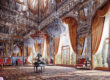
Golestan Palace
This UNESCO World Heritage Site is the most important and preserved royal complex of the Qajar dynasty. Golestan Palace is the most essential site of Tehran. Some of the highlights of this complex are:
- The marble throne (Takht-e Marmar)
- Main Palace
- Shams-ol-Emareh Tower
- Wind tower mansion
- Ethnology (Abyaz) Museum
-
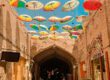
Tehran Grand Bazaar
The Grand Bazaar of Tehran is one of the largest traditional markets in the Middle East. This bazaar still plays a major role in Iran’s commercial and political events.
-
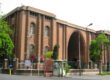
National Museum of Iran
The National Museum of Iran is arguably the most important museum of Iran. For those interested in the Persian Empire, Persepolis, and Cyrus the Great, it is a must-see museum in Iran.
This museum focuses mostly on archeology and is the home to artifacts from different parts of Iranian history, including:
- Prehistoric Iran
- Elamite civilization
- Achaemenid Empire
- Parthian Empire
- Sasanian Empire
- Early Islamic periods
-
National Jewelry Museum
The National Jewelry Museum of Iran is located in the Central Bank of Iran. This collection contains:
- The famous Darya-ye Noor pink diamond
- Qajar and Pahlavi crowns
- Jeweled globes and ceremonial regalia
- Naderi and Peacock throne
-
Tabiat Bridge
Tabiat (Nature) Bridge is a contemporary architectural landmark. This bridge connects two major parks. It’s a popular spot during sunsets.
-
Milad Tower
Milad Tower is 435 meters, making it one of the tallest towers in the world. This tower features:
- Observation deck
- Revolving restaurant
- Panoramic views of Tehran and the Alborz Mountains
-
Azadi Tower
Azadi Tower is Tehran’s most recognizable landmark and one of the defining symbols of modern Iran. It blends elements from different periods of Iran into one unique landmark.
-
Sa’dabad Complex
Sa’dabad Complex, former residence of the Pahlavi royal family. This complex houses many museum palaces.
-
Niavaran Palace Complex
The last residence of the Pahlavi royal family. The complex combines modern royal architecture with beautiful gardens.
-
Tehran Museum of Contemporary Art
The Tehran Museum of Contemporary Art is one of the most important art museums in the world. It is housing one of the world’s finest collections of modern Western art outside Europe and North America, alongside an outstanding collection of Iranian modern and contemporary art.
-
Carpet Museum of Iran
The Carpet Museum of Iran is one of the leading institutions in Iran dedicated to preserving, studying, and exhibiting the art of Persian carpet weaving.
-
Reza Abbasi Museum
The Reza Abbasi Museum is the go-to museum for those interested in Persian art, archaeology, and history.
-
Darband
Darband is one of Tehran’s mountain retreats. It is on the northern edge of the city at the foothills of the Alborz Mountains. Darband is one of Tehran’s most popular destinations for both locals and tourists. This valley is filled with:
- Riverside restaurants
- Tea houses
- Hiking trails
- Cool evening atmosphere
-
Tochal
Tochal offers hiking, skiing in winter, and spectacular views over Tehran. It is accessible by one of the longest gondola lift systems in the world.
Best Time to Visit Tehran
| Season | Recommendation |
|---|---|
| Spring (Apr–May) | Best weather |
| Summer | Warm but cooler in the northern districts |
| Autumn (Sep–Oct) | Mild temperatures and clear skies |
| Winter | Cold; excellent for mountain excursions and skiing |
Transportation
- Airports: There are two airports in Tehran. Imam Khomeini International Airport for international flights and Mehrabad Airport for domestic flights.
- Snapp & Tapsi: These two ride-hailing apps are wildly used in Iran. To know more about these apps, check out Snapp & Tapsi in Iran: A Traveler’s Complete Guide.
- Taxi: available throughout Tehran.
- Metro: Extensive, inexpensive, and the fastest way to cross the city.
Conclusion
Unlike the poetic atmosphere of Shiraz, the Safavid grandeur of Isfahan, or the desert heritage of Yazd, Tehran is a modern city. It is the best place for those who want to see and understand ancient Persia and present-day Iran. Tehran offers many options for every taste, which makes it a must-see city.
FAQ
What are the best things to do in Tehran?
Tehran offers a variety of activities. Museums, palaces, bazaars, and mountain retreats are amongst the best ones.
How many days do you need in Tehran?
It depends on your preference. it usually needs two days to visit most of the city.
What is the best time to visit Tehran?
Every season has something to offer but most travelers visit Tehran during Spring (Apr–May) or Autumn (Sep–Oct).
How can tourists get around Tehran?
There are different options available. The best ones are ride-hailing apps like Snapp and Tapsi or Metro.
Is Tehran a good starting point for an Iran trip?
Yes! Tehran is like a gateway to Iran. It has UNESCO-listed heritage, royal palaces, world-class museums, traditional bazaars, and convenient access to mountain scenery.