

introduction
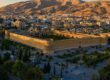
Shiraz is the heart of poetry in Iran. It is located in southwestern Iran, in Fars Province. It lies in a valley surrounded by the Zagros Mountains, at an elevation of 1,486 meters (4,875 feet) above sea level. According to the latest official census, Shiraz is home to over 2 million residents in the city and approximately 5 million in the Fars Province.
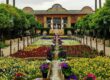
Shiraz is particularly renowned for its Persian gardens, poetry, wine-related historical heritage, mosques, bazaars, and proximity to major Achaemenid sites such as Persepolis and Pasargadae.
A brief history
Shiraz is one of Iran’s oldest and most culturally significant cities, with a history spanning more than a thousand years. In 1970, in an excavation in southwestern Shiraz, some Elamite tablets, dating back to the late 2nd millennium BC, were found talking about major workshops in Shiraz.
Medical Tourism
In 1955, Shiraz became home to the most advanced hospital in the Middle East. Many Iranian students from Johns Hopkins, Berkeley, and Stanford universities came to work at Shiraz Hospital.
Students and professors were being transferred between the University of Shiraz and the University of Pennsylvania.
To this day, this hospital remains one of the most important hospitals in the Middle East, and a huge number of people travel to Iran for medical purposes annually.
Top Attractions in Shiraz
-
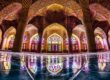
Nasir al-Mulk Mosque (Pink Mosque)
Nasir al-Mulk Mosque is renowned for its stained glasses and picturesque architecture.
-
Arg of Karim Khan
The Arg of Karim Khan, also known as Karim Khan Citadel, is one of the most important monuments from the Zand dynasty. It was the royal residence and administrative center of Karim Khan.
-
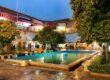
Vakil Complex
The Vakil Complex includes Vakil Bazaar, Vakil Mosque, and Vakil Bathhouse, all of which were built by Karim Khan Zand in the 18th century.
-
Shah Cheragh Shrine
Shah Cheragh Shrine is the most important Shia religious site in Shiraz and the third biggest Shia religious site in Iran.
-
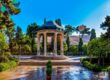
Hafez Tomb (Hafezieh)
Hafez Tomb (Hafezieh) is the mausoleum of Hafez, the renowned Persian poet.
-
Saadi Tomb (Saadieh)
Saadi Tomb (Saadieh) is the mausoleum of Saadi, another famous and notable Persian poet.
-
Eram Garden
Eram Garden is a botanical garden and one of the nine Persian Gardens registered under UNESCO World Heritage.
-
Narenjestan Qavam Garden
Narenjestan Qavam Garden is a beautiful mansion garden of the Qajar era.
-
Afif-Abad Garden
Afif-Abad Garden is a Qajar-era mansion with a garden turned into a military museum.
-
Delgosha Garden
Delgosha Garden, a well-known historic attraction with roots dating back to pre-Islamic Iran and to the Sassanid Dynasty.
-
Jahan Nama Garden
Jahan Nama Garden, one of the city’s oldest landscape gardens of Shiraz.
-
Quran Gate
Quran Gate, the historic gateway of Shiraz, is located in the northern part of the city.
Top Attractions in Fars Province
-
Persepolis
Persepolis, the ceremonial capital of the Achaemenid Empire, was built by Darius the Great.
-
Pasargadae
Pasargadae, the first capital of the Achaemenid Empire, was built by Cyrus the Great.
-
Naqsh-e Rostam
Naqsh-e Rostam, the royal necropolis of the Achaemenid Empire, featuring Sassanid rock reliefs.
-
Naqsh-e Rajab
Naqsh-e Rajab, another historically important Sassanid rock relief.
-
Firuzabad
Firuzabad, an important center of Sasanian history, with attractions including Ardashir’s Palace and the Sasanian city of Ardashir-Khwarrah. The site forms part of the Sassanid Archaeological Landscape of Fars, which UNESCO inscribed in 2018.
-
Bishapur
Bishapur, an ancient Sasanian city founded by Shapur I. The site forms part of the Sassanid Archaeological Landscape of Fars, which UNESCO inscribed in 2018.
-
Tang-e Chogan
Tang-e Chogan, a dramatic valley in front of Bishapur containing several monumental Sassanid rock reliefs.
-
Sarvestan Palace
Sarvestan Palace, located in the southeast of Shiraz. The site forms part of the Sassanid Archaeological Landscape of Fars, which UNESCO inscribed in 2018.
-
Qal’eh Dokhtar
Qal’eh Dokhtar, an early Sassanid-era fortress overlooking the route near Firuzabad.
-
Maharloo Lake
Maharloo Lake, located southeast of Shiraz. It is a seasonal lake famous for its pink color.
-
Margoon Waterfall
Margoon Waterfall is one of Fars Province’s most spectacular natural attractions, located in the Zagros Mountains.
-
Arjan Protected Area
Arjan Protected Area is a beautiful natural area containing wetlands, mountains, and diverse wildlife.
Best Time to Visit Shiraz
| Months | Recomendation |
|---|---|
| April and May | Mild temperatures, green landscapes, and blooming gardens |
| June till August | Hot and dry. Early mornings and evenings are more comfortable. |
| September andOctober | Cool temperature. |
| November till February | Cooler and occasionally rainy |
Transportation
- Airports: Shiraz International Airport is the one and only airport in Shiraz for both domestic and international flights.
- Snapp & Tapsi: These two ride-hailing apps are wildly used in Iran. To know more about these apps, check out Snapp & Tapsi in Iran: A Traveler’s Complete Guide.
- Taxi: available throughout Shiraz.
- Metro: Not as extensive as the metro in Tehran but a useful public transportation option.
Conclusion
Shiraz is the capital of poetry and love, history, and mosques. It is a hub to the pre-Islamic Iran. Shiraz offers visitors some of the very best that Iran has to offer, from historic landmarks and Persian gardens to poetry, culture, and cuisine.

3 Comments